I Paid $34,000 Because I Didn't Check Inside the Walls
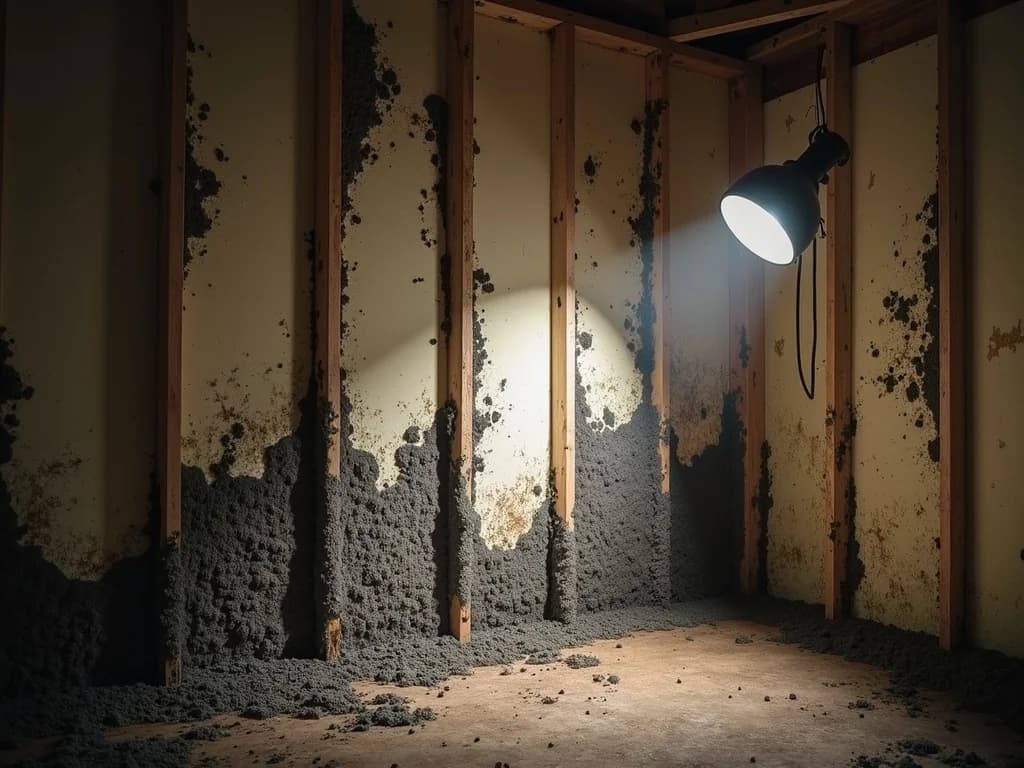
August 2022. Monsoon rain flooded my Summerlin home office. I mopped up the water, ran fans for two days, and figured the situation was under control. Six weeks later, an odor coming through the wall behind my desk stopped me cold. I pulled back the baseboard and found black mold blanketing the studs from floor to ceiling. The surfaces had dried without issue. The wall cavity never did. Remediation, drywall replacement, new insulation, clearance testing: $34,000.

By David Reyes. Software engineer, Summerlin. I now own three moisture meters and check under every sink in my house once a month. That's what $34,000 does to a person.
Last updated October 2026
What I Wish I Knew About Mold and Your Health
It took me weeks to connect the symptoms to anything in the house. Headaches every afternoon. A dry cough that would not quit. I chalked it all up to Las Vegas dust, the dry air, allergies. Then my wife started getting nosebleeds. We took her to an ENT who asked if we had any water damage in the house. That single question changed everything.
My neighbor's kids started coughing every night around 10 PM, right when their bedroom AC kicked into high gear. Turned out to be Aspergillus growing inside the ductwork behind the bathroom wall. The spores were circulating through the HVAC system every time the blower ran. Their pediatrician had been treating the kids for asthma for three months before anyone checked the ducts.
A family two streets over found Stachybotrys (black mold) after their water heater leaked slowly for months inside a utility closet. The father developed chronic fatigue and memory fog. Their remediation company documented spore counts 40 times above normal indoor levels. The health effects did not go away overnight after removal, either. It took the family several weeks to feel normal again.
The pattern is always the same: unexplained symptoms, a delayed connection to water damage, and mold growing somewhere nobody thought to look. The EPA recommends professional remediation for any mold area over 10 square feet. If anyone in the household has respiratory issues, do not wait for it to reach that threshold. I spent about 40 hours researching early warning signs after my disaster, and that research became this article on spotting mold in Las Vegas homes.
The Part Nobody Warned Me About
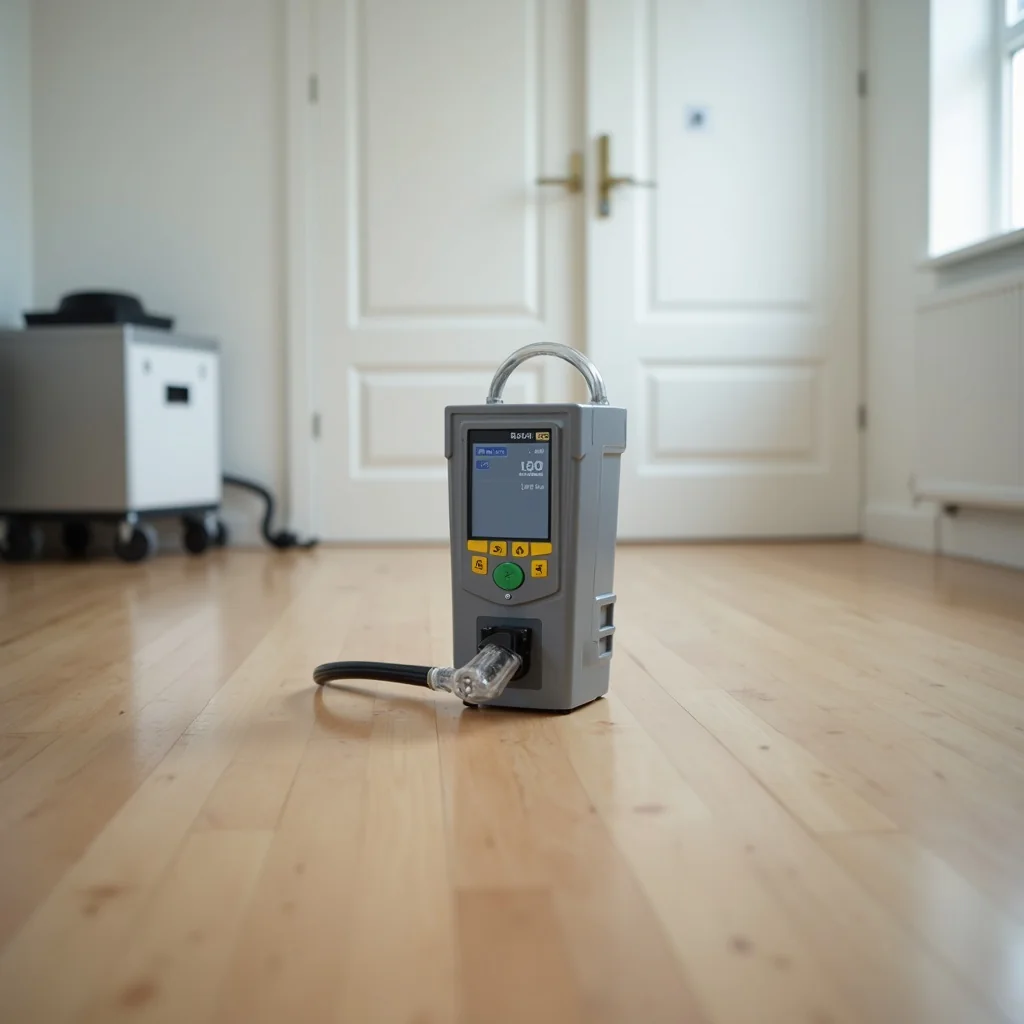
I expected a crew to show up, spray something, and leave. That is not how professional mold remediation works. The first step is a full moisture inspection, not a quick look at the wall. A qualified technician uses pin-type and pinless moisture meters, thermal imaging cameras, and sometimes air sampling to map every area with elevated readings, including spots with no visible mold. If standing water or saturated materials are present, water extraction happens first, before anything else. My initial inspection found mold behind three walls I would never have checked on my own.
After watching the inspector use a Protimeter during my remediation, I ordered one on Amazon. Then a second one (pinless, different brand) because I wanted to cross-reference readings. Then a cheap thermal camera attachment for my phone. I realize how that sounds. But once you have seen 70% humidity inside a wall that feels dry to the touch, you stop trusting your hands.
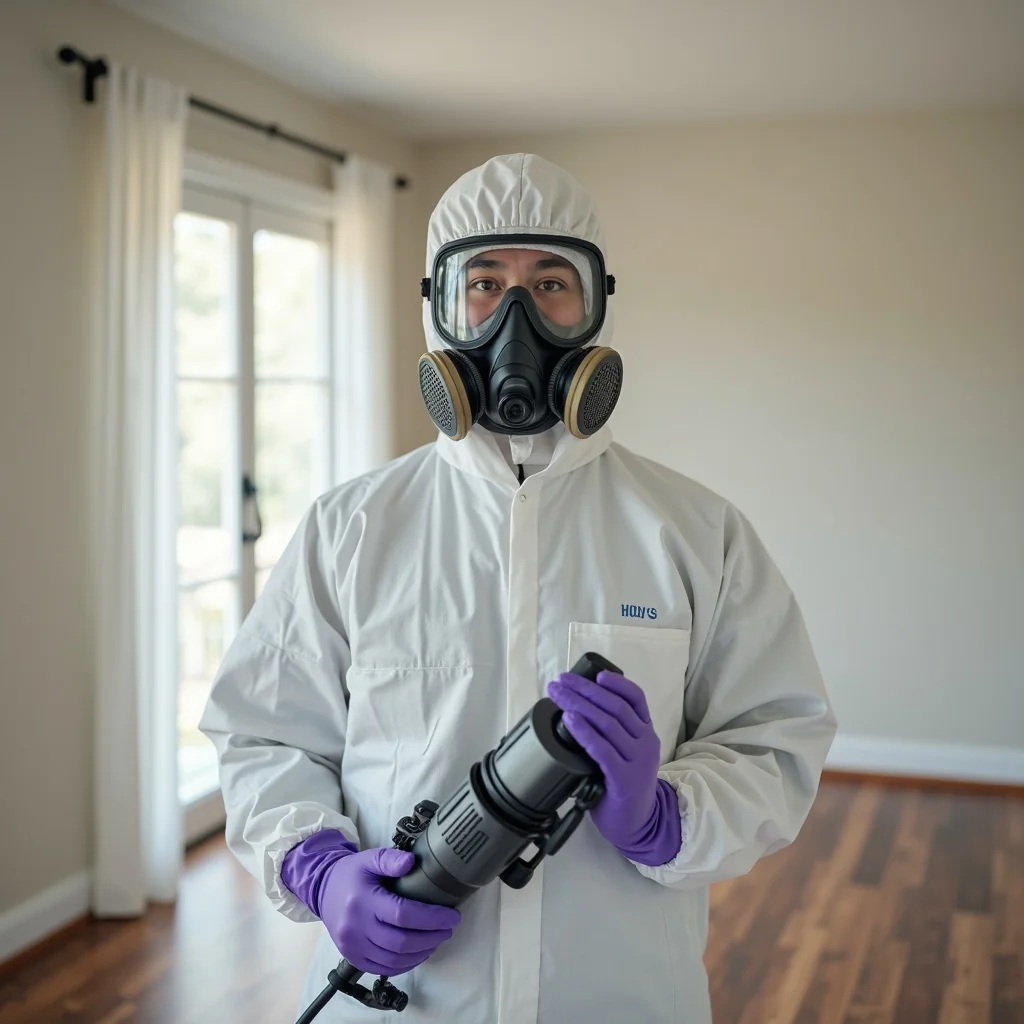
Then comes containment. The crew seals off the affected rooms with heavy plastic sheeting and establishes negative air pressure so spores cannot spread into clean areas of the house. This step caught me completely off guard. What they built in my hallway looked like a series of airlocks, with overlapping plastic flaps and sealed seams at every edge. Industrial HEPA scrubbers ran continuously, filtering the air down to 0.3 microns. You can hear them from across the house.
The removal itself is methodical. They cut out drywall 2 feet beyond the visible mold boundary because the root system (hyphae) extends further than what you can see. In my case, they removed drywall, insulation, and sections of baseboard in three rooms. Everything went into sealed bags and out through a dedicated exit path, never through clean areas of the house. After removal, they applied EPA-registered antimicrobial treatment to the exposed framing, ran industrial dehumidification equipment for structural drying, and confirmed moisture readings were within target range before any reconstruction began.
Clearance testing is the step most people never hear about until they are already in the middle of a project. A third-party inspector, separate from the remediation company, takes air and surface samples to confirm spore counts have dropped back to normal. My first clearance test failed. They had missed a section behind the HVAC return vent where condensation had been feeding a separate colony. The crew came back, contained that section, removed the additional mold, and we passed on the second round. That extra failure added two days and roughly $2,800 to the project. I went deep into the full protocol in the complete remediation guide.
Five Types of Mold (and Which One Cost Me $34K)
Not all mold behaves the same. Knowing which type you are dealing with changes the urgency and the remediation approach. Most indoor mold follows a water damage event that was not fully dried within the critical 48-hour window.
Aspergillus
The most common indoor mold in Las Vegas. Grows on walls, insulation, and paper products. HVAC ductwork is its favorite habitat: desert dust feeds it, air conditioning gives it moisture. High risk for anyone with a compromised immune system.
Cladosporium
Olive-green to brown. Grows on fabrics, carpets, and under floorboards after water damage. Needs less moisture than other types, which makes it particularly common in valley homes during dry summer heat when AC condensation creates hidden humid pockets.
Stachybotrys (Black Mold)
The one everyone fears. Produces mycotoxins and requires prolonged moisture, not a one-day leak. Colonizes saturated drywall and cellulose materials. If you find it, do not touch it: requires professional containment with negative air pressure per IICRC S520.
Penicillium
Blue-green, spreads fast. Found on water-damaged materials and inside HVAC ductwork. Many homeowners miss it until it has already colonized multiple rooms because it travels through the ventilation system.
Alternaria
The most common outdoor mold that invades homes. Lives in showers, under sinks, and around windows. Fast-growing after any water intrusion, especially active during monsoon season from July through September.
Why the Desert Is the Worst Place for This
Everyone assumes the desert climate will protect them. I did. That assumption cost me $34,000. The exterior climate is dry. The interior of your walls is not. Central AC runs nearly year-round here, and when warm interior air contacts cold duct surfaces, condensation forms. That condensation becomes the moisture mold needs, hidden inside sealed wall cavities where it never evaporates.
I read the full IICRC S520 standard document after my remediation. Not the summary page on their website. The actual 90-page standard. Section 8 specifically addresses arid-climate considerations. It notes that low outdoor humidity gives homeowners a false sense of security, and that sealed wall cavities in air-conditioned homes can maintain elevated moisture levels indefinitely. I had never thought about my walls as sealed containers before that.
Evaporative coolers compound the problem. Still common in older Las Vegas homes, they push outdoor air and outdoor humidity directly into the living space. As of October 2026, many valley homeowners remain unaware of this risk. During monsoon season from July through September, outdoor humidity can jump from 10% to over 50% in a matter of hours. If you are running a swamp cooler during those spikes, you are forcing humid air through every duct in the house. Homes that took on flood water during a monsoon face an especially compressed mold timeline. I wrote about the specific response steps for that scenario in the flood cleanup guide.
Slab leaks are another risk unique to this valley. Las Vegas sits on expansive clay soil that shifts with seasonal temperature changes. The hard water here (among the hardest in the country) corrodes copper pipes from the inside out. A slab leak can silently saturate the subfloor for weeks before any visible damage shows up. By that point, mold is already established and growing into the wall framing above.
Many Las Vegas homes were built during the construction boom from 2000 to 2008, when rapid development meant lower-quality materials and rushed installations. Those homes are now reaching an age where pipes corrode, caulking cracks, and roof penetrations begin to leak. Their owners still assume the desert climate protects them. Mold also follows fire damage frequently, because firefighting hoses saturate wall cavities that restoration crews sometimes seal up before fully drying. That overlap between fire and mold damage consumed another long research session, which I documented in the fire damage restoration guide.
I Tried Bleach. It Made Things Worse.
When I first spotted the dark patch behind my desk, I grabbed bleach and scrubbed it clean. The stain disappeared within minutes, and I assumed the problem was gone. Six days later it came back, and it was larger than before. Bleach removes surface mold without reaching the root system living inside the drywall. I had treated the symptom and left the disease completely intact.
Here is where the line actually falls. Small surface patches under 10 square feet on non-porous materials (tile, glass, metal) are something a homeowner can tackle with nitrile gloves, an N95 mask, and proper ventilation. That is the EPA's threshold, and it holds up for genuinely surface-level mold. The moment you are dealing with porous materials like drywall, carpet, or insulation, though, the math changes completely. Porous materials absorb spores deep into their structure. Scrubbing the surface does nothing for what is already inside.
The other situation that always requires a professional: any mold you can smell but cannot see. That musty odor means there is an active colony somewhere behind a wall, under a floor, or inside ductwork. You need moisture meters and possibly thermal imaging to find it. I could have saved myself thousands if I had called for a professional moisture reading the week after the flood instead of assuming the fans had handled it.
If the mold resulted from a covered water damage event (burst pipe, appliance failure), your homeowner's policy may reimburse remediation costs. I documented how to document and file that type of claim here. For the remediation itself, look for an IICRC-certified company that offers free assessments and can provide clearance testing results from a third-party inspector. That third-party clearance is the only way to verify the job is actually done.
How to Not Become Me
After spending $34,000, I became obsessive about moisture. Every one of these habits comes from something I learned the hard way or watched a neighbor learn the hard way.
Replace water heaters every 8 to 10 years. Las Vegas hard water corrodes tanks faster than most cities. My neighbor found a slow heater leak only when he smelled mold six months later.
Check under every sink once a month. Slow drip leaks are the number one cause of hidden mold in Las Vegas kitchens and bathrooms. It takes 30 seconds. Set a phone reminder.
Run bathroom exhaust fans for 30 minutes after showers. Residual humidity on ceilings and walls is enough to start mold growth, even in a desert climate.
Keep indoor humidity below 50%. A digital hygrometer costs under $15 on Amazon. Put it in your bathroom or kitchen, the rooms with the most moisture in the house.
If you run an evaporative (swamp) cooler, inspect ductwork for moisture or condensation. Swamp coolers pump outdoor humidity directly into your home, unlike central AC. During monsoon season, that combination is dangerous.
After any water incident, dry affected areas within 24 to 48 hours. That is your window before mold starts actively colonizing. I did not know that. It cost me $34,000 to learn.
For homes over 15 years old, consider an annual professional moisture inspection. Copper pipes from the 2000 to 2008 construction boom are especially prone to hard-water corrosion in the valley.
I went deeper into the early visual signs of mold in a separate article. That one took me weeks to write because I kept finding more examples in my own neighborhood.
Mold Removal Cost in Las Vegas (2026)
These ranges reflect actual quotes from Las Vegas restoration companies, not national averages. My own $34,000 bill fell into the "full remediation + reconstruction" category because the mold had reached structural framing in three rooms. I broke the numbers down further in the cost guide.
| Mold Scenario | Estimated Cost |
|---|---|
| Small surface mold (bathroom, <10 sq ft) | $300 – $1,000 |
| Moderate mold (single room) | $1,500 – $3,500 |
| Extensive mold (multiple rooms) | $3,500 – $7,000 |
| Structural mold (inside walls, HVAC) | $6,000 – $15,000+ |
| Full remediation + reconstruction | $10,000 – $30,000+ |

Written by David Reyes
Software engineer in Summerlin, Las Vegas. Built VegasRebuild after losing $34,000 to hidden mold.
By the way, I worked out a deal with my #1-rated contractor
Free moisture inspection + 10% off out-of-pocket restoration work from M&M Restoration. Enter your info and I'll send you a coupon code.
Mold Removal Las Vegas: FAQ
What still stays with me is this: a $200 professional moisture reading in the week after that flood would have caught the trapped humidity before a single mold spore took hold. Instead, I signed a $34,000 check six weeks later. The surfaces looked completely dry. The wall cavity was holding steady at 70% relative humidity, and no visual inspection can reveal that. If your Las Vegas home has experienced any water event, even one that looks fully resolved, get a professional moisture reading before you move on. That single step is the one I wish someone had pressed on me from the start.
What I Check Every Month Now
My wife thinks this is excessive. She is probably right. But $34,000 rewires how your brain processes risk. Here is my monthly routine:
- Under every sink (kitchen, both bathrooms, laundry). I run my hand along the supply lines and P-trap. Takes 30 seconds per sink. I have found two slow drips this way that would have become problems.
- Behind each toilet. The wax ring seal and the supply valve are both failure points. I check for dampness on the floor and condensation on the tank.
- The water heater closet. I look at the base of the tank and the floor around it. My neighbor's heater leaked for months before anyone noticed.
- Pin-type moisture meter on two walls: the one behind my desk (where the $34K mold started) and the wall shared with the master bathroom. If either reads above 15%, I investigate immediately.
- The HVAC return vent. I pull the grille off and check for any discoloration or musty smell. That is where my remediation crew missed a colony the first time.
I also catch that musty smell in other people's homes now. It hits me at dinner parties, at friends' houses, walking through open houses on weekends. Every time, I bite my tongue and say nothing. That involuntary awareness is probably the strangest thing this experience left behind.
See our full cost breakdown: Mold Removal Cost in Las Vegas
Related: Water Damage Restoration · Fire Damage Restoration · Insurance Claim Help · M&M Restoration Profile
Comments
Recent Comments (35)
finally a straight answer about mold costs
Found black mold behind our bathroom vanity when we were renovating. It had been there for years apparently. The remediation company said it was one of the worst they had seen in a residential bathroom.
this is scary stuff
had mold in our ac ducts. the whole house smelled musty. cleaning the ducts fixed it
I didnt realize how common mold is in Vegas. Everyone thinks its too dry here for mold but our bathroom had it growing behind the tile.
my landlord wont fix the mold in my apartment. any advice?
Good info about the different types of mold. Didnt know there were so many.
thank u for this page
We had mold after a water heater leak that went unnoticed for a week. The mold grew behind the drywall and we had no idea until we started getting headaches and stuffy noses.
is mold testing worth the money?
moved to vegas from Florida thinking I left mold problems behind. wrong
Our HOA dealt with a mold issue in the common area. Cost over $20k to remediate. This page has good prevention tips.
helpful prevention checklist
bought a house and the inspector missed mold in the crawl space. cost us $8k out of pocket
evaporative coolers are a mold problem here nobody talks about
Had to have our entire master closet gutted because of mold from a slow roof leak. The remediation company was great but it took almost 2 weeks. Make sure they do post testing to confirm its gone.
good article
my wife is allergic to mold and we check our house regularly now. this guide helped us know what to look for
We found aspergillus in our kids room after they kept getting sick. Turned out the AC condensation line was dripping inside the wall. Fixed the leak and removed the mold, kids are fine now.
the monsoon season section is important. thats when we got ours
useful info. shared with our property management company
can you do mold removal yourself or do u need a pro?
Found mold in our rental property between tenants. The previous tenant never mentioned it. Now I have to pay for remediation before the new tenant moves in.
we had mold growing on our bathroom ceiling. bleach only worked temporarily
Insurance denied our mold claim saying it was due to lack of maintenance. Still fighting it. Document everything from day one.
the humidity in vegas bathrooms is enough to grow mold if you dont have proper ventilation. we added an exhaust fan and havent had problems since
anyone know a good mold tester in henderson area?
Great info about post remediation testing. Our company tried to skip that step and we insisted on it. Sure enough they had to come back and redo part of the work.
needed this. just found mold in our closet
After the monsoon last summer our garage had standing water for 2 days. Mold showed up within a week on the bottom of the drywall. Had to cut out 2 feet of drywall all around the garage.
Found what I thought was dust on the wall behind our bed. Turned out to be early stage mold from a slow drip inside the wall where the plumbing runs to the bathroom. Remediation was about $2,200 and they had to cut a 3 foot section of drywall to treat the framing. The company was fast and professional. Main thing I wish I had done sooner was investigate the musty smell instead of assuming it was just the closet.
bleach does not kill mold it just hides it. important point
This is one of the most common misconceptions I run into. Bleach will remove the color and appear to clean the surface, but the root structure (hyphae) goes deeper into porous materials like drywall and grout. It comes back within weeks. Proper remediation uses EPA-registered antimicrobial agents and physically removes the contaminated material. If a company is just spraying bleach on drywall and calling it done, find someone else.
HOA unit above ours had a washing machine supply hose failure while the owners were traveling. Water ran for nearly two days before anyone noticed. Our ceiling got it worst and the mold started showing within 10 days. The HOA's insurance covered the remediation but the coordination took forever. Three months total from discovery to finished repairs.
good info on what post testing should include. going to ask for that