A detailed, practical guide to residential mold remediation written by David Reyes, a software engineer who faced a $34,000 mold disaster after monsoon flooding in the desert Southwest. The article draws on EPA guidelines, IICRC S520 standards, and direct personal experience across both DIY and professional remediation projects. Coverage includes mold biology and species identification, the EPA 10-square-foot threshold for DIY versus professional work, complete step-by-step remediation procedures (containment, personal protection, material removal, cleaning, and drying), product selection for porous and non-porous surfaces, approaches for hidden mold behind walls, in attics, crawlspaces, and under flooring, moisture control and long-term prevention strategies, homeowner insurance claim guidance, the most common and costly remediation mistakes, and how post-remediation clearance testing confirms successful results.
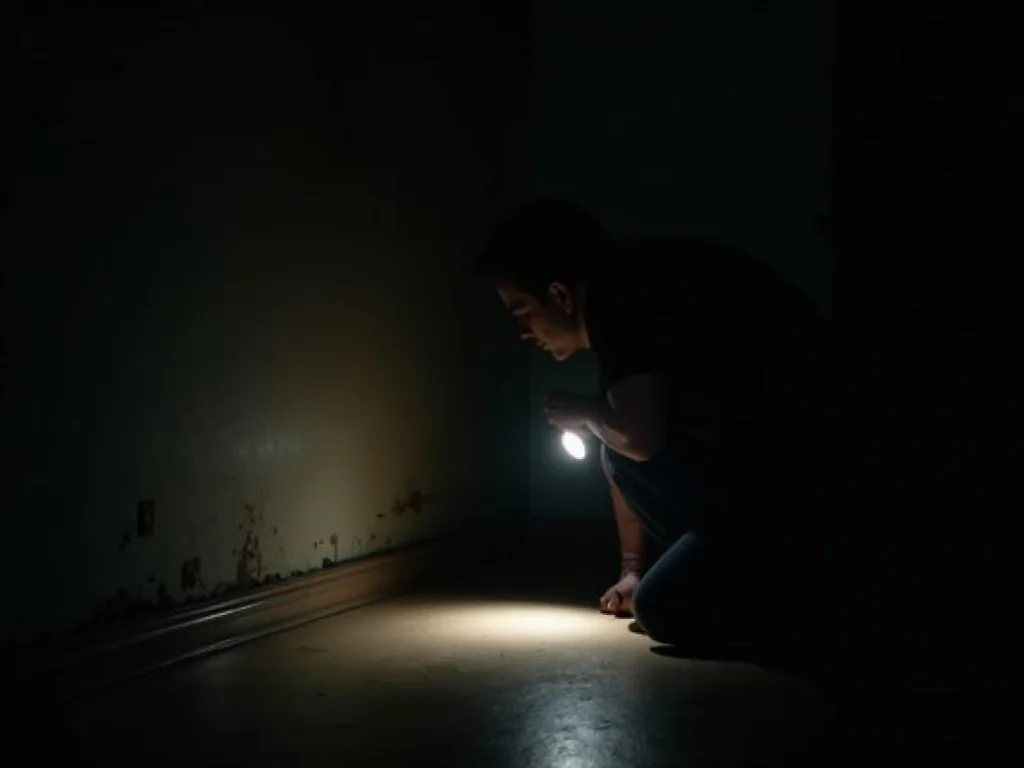
Mold Remediation: Complete Guide From Hard Experience
 August 31, 2026·28 min read·VegasRebuild Editorial
Quick Answer: Mold remediation is something most homeowners can handle themselves if the affected area is under 10 square feet and you have the right protective equipment and products. For anything larger, structural, or involving toxic black mold (Stachybotrys), call a licensed remediation professional immediately. This guide covers identification, step-by-step DIY removal, prevention, and when to bring in the pros.
Mold expertise was never on my career roadmap. It arrived the way most unwanted knowledge does: through a costly disaster followed by weeks of obsessive research. In August 2022, a monsoon dumped enough rain on my home to flood my office. What I didn't realize for weeks was that water had also seeped behind the drywall in two adjacent rooms. By the time I smelled that distinctive musty, earthy scent, the damage was extensive. The final bill was $34,000.
After that experience, I became obsessed with mold remediation. I spent hundreds of hours reading EPA guidelines, IICRC standards, mycology papers, and contractor training manuals. I talked to industrial hygienists, insurance adjusters, and remediation crews. I learned what actually matters when you're dealing with mold, what's marketing nonsense, and what falls somewhere in between. This guide is everything I wish someone had handed me before that monsoon hit.
This is not a Vegas-specific guide, even though I live here. Mold doesn't care about your zip code. Whether you're dealing with humidity in Houston, a slow leak in Portland, or post-flood moisture in Miami, the biology is the same. The remediation principles are the same. The mistakes people make are the same. So let's talk about all of it.

Written by David Reyes
Software engineer in Summerlin, Las Vegas. Built VegasRebuild after losing $34,000 to hidden mold.
What Mold Actually Is and Why It Grows in Your Home
Before you can effectively fight mold, it helps to understand what you're dealing with. Mold is a type of fungus. There are over 100,000 known species, and they've been on this planet for roughly a billion years. They're extraordinarily good at what they do, which is break down organic matter. In nature, that's a critical ecological function. In your home, that same function means mold is slowly digesting your walls, your carpet backing, your ceiling tiles, and anything else made from organic materials.
Mold reproduces through spores, which are microscopic and essentially everywhere. Right now, as you read this, there are mold spores floating in the air around you. That's normal and unavoidable. The problem isn't the existence of spores. The problem is when spores land on a surface that gives them what they need to grow: moisture, oxygen, a food source, and temperatures between about 40 and 100 degrees Fahrenheit. Your home provides three of those four things at all times. The only variable you control is moisture.
This is the single most important thing I can tell you about mold: every mold problem is a moisture problem. If you remediate mold without fixing the moisture source, you've wasted your time and money. The mold will come back. I've seen homeowners spend thousands on professional remediation only to have mold return within months because nobody fixed the leaking pipe behind the wall, or the condensation issue in the attic, or the poor grading that directed rainwater toward the foundation. Fix the water first. Always.
How to Tell If You Have a Mold Problem
The most obvious sign is visible mold growth, but by the time you can see it, the colony is already well established. Mold can grow behind walls, under flooring, inside HVAC ducts, and in attic spaces for months before you notice anything. Learning the earlier warning signs gives you a much better chance of catching it before the remediation bill reaches four or five figures.
Smell is your first line of defense. Mold produces microbial volatile organic compounds (MVOCs) as it grows, and these create a distinctive musty, earthy odor. If you walk into a room and it smells like a damp basement or an old library, pay attention. That smell is the mold equivalent of a check engine light. Don't ignore it. If the smell is persistent and you can't identify the source, you likely have mold growing somewhere you can't see.
Water stains are the second major indicator. Brown or yellowish discoloration on ceilings, walls, or around windows tells you that water has been (or still is) present. Even if a stain is dry and old, it may have already created conditions for mold growth behind the visible surface. Peeling paint, bubbling wallpaper, and warping baseboards all point to moisture intrusion. If your windows consistently fog up with condensation on the inside, that's another signal that indoor humidity is too high.
For a definitive answer, you can buy home mold test kits, but I'll be honest: most of them aren't very useful. The settle-plate tests (where you leave a petri dish open and wait) will always grow mold because, again, spores are everywhere. A positive result doesn't tell you if you have a problem. If you want real testing, hire an independent industrial hygienist (not a mold remediation company, since they have an obvious financial incentive to find problems). An air quality test comparing indoor spore counts to outdoor baseline counts will tell you definitively whether your indoor environment has elevated mold levels.
Understanding the Different Types of Mold in Homes
Not all mold is created equal, and knowing what you're dealing with affects both the urgency and the approach. The phrase "black mold" gets thrown around a lot in media coverage, usually in the most alarming way possible. Let me give you a more grounded perspective.
Cladosporium is the most common household mold. It's typically olive green to brown and grows on fabrics, wood surfaces, and in HVAC systems. It's allergenic, meaning it can trigger reactions in sensitive people, but it's not considered toxic. Penicillium is another frequent visitor, usually appearing blue-green and spreading quickly on water-damaged materials. If you've ever seen fuzzy growth on old bread, you've met Penicillium. Aspergillus comes in many colors and is extremely common in household dust. Most species are harmless, but some can cause serious respiratory infections in immunocompromised individuals.
Then there's Stachybotrys chartarum, the infamous "toxic black mold." It's greenish-black, slimy, and grows on materials with high cellulose content (like drywall, ceiling tiles, and cardboard) that have been wet for an extended period. Stachybotrys produces mycotoxins, which are genuinely harmful compounds that can cause respiratory problems, neurological symptoms, and immune system suppression with prolonged exposure. Here's the nuance that media coverage usually misses: not every black-colored mold is Stachybotrys, and Stachybotrys requires sustained, heavy moisture to establish itself. If you had a small leak for a few days, you're almost certainly dealing with Cladosporium or Penicillium, not Stachybotrys.
You cannot identify mold species by color alone. If you're concerned about the type of mold in your home, send a sample to a lab. Many online services will analyze a tape lift or swab sample for $30 to $50. It's worth the investment for peace of mind and for making informed decisions about whether you can handle the remediation yourself.
When You Can Handle It Yourself and When You Cannot
The EPA draws a clear line at 10 square feet, which is roughly a 3-by-3-foot patch. Total affected area under that threshold puts you in DIY territory; anything above it calls for professional remediation. The IICRC S520 standard, which professionals treat as their primary reference, lands in the same range. Having gone through both a DIY cleanup and a full professional remediation myself, I find those guidelines reasonable, but a few additional factors are worth considering.
Even if the area is small, call a professional if the mold is growing on structural elements like framing, subfloor, or roof decking. Surface mold on drywall or tile is one thing. Mold that has penetrated structural wood is a different situation that may require specialized treatment to avoid compromising your home's integrity. Similarly, if mold is inside your HVAC system, that's a professional job. Every time your system runs, it's potentially distributing spores throughout your entire home. Duct cleaning for mold requires proper containment and HEPA filtration that most homeowners don't have access to.
I'd also recommend calling a professional if anyone in your household has asthma, severe allergies, or a compromised immune system. DIY mold removal, even when done carefully, temporarily increases airborne spore counts in your home. For most healthy adults, that's a tolerable short-term exposure. For vulnerable individuals, it can trigger serious health episodes. The cost of professional remediation with proper containment is worth it for that population.
Finally, if you can smell mold but can't find it, hire a professional for the inspection phase even if you plan to do the cleanup yourself. Professionals have moisture meters, thermal imaging cameras, and borescopes that can locate hidden mold without tearing open every wall in your house. An inspection typically costs $300 to $600, and it can save you from the destructive guessing game of cutting open drywall in the wrong places.
DIY Mold Remediation: The Actual Process
Let me walk you through how to properly remediate a small to moderate mold problem yourself. This isn't the abbreviated version you'll find on product labels. This is the full process that professionals use, scaled down for a homeowner tackling an area under 10 square feet.
Step one is fixing the moisture source. I'm repeating this because it's that important. Before you touch the mold, find and fix whatever is supplying the water. Check for leaky pipes, roof leaks, condensation, poor drainage, or high indoor humidity. If you remediate the mold without fixing the moisture, you'll be doing this again in a few months. Get a moisture meter (a basic pin-type model costs $25 to $40) and check the affected area and surrounding materials. Anything reading above 16 percent moisture content in wood or 1 percent in drywall needs to dry out before you start remediation.
Step two is containment. Even for a small area, you want to isolate the work zone to prevent spores from spreading to the rest of your home. Cover the doorway with 6-mil polyethylene sheeting and painter's tape. If there's a window in the room, open it slightly and point a box fan outward to create negative pressure (air flowing out of the room rather than into the rest of your house). Turn off your HVAC system while you work to prevent the ductwork from distributing spores. I know this is uncomfortable, especially in summer, but running your HVAC during mold removal is like vacuuming without a bag.
Step three is personal protection. At minimum, you need an N95 respirator (not a surgical mask, not a cloth mask), safety goggles without ventilation holes, and nitrile or rubber gloves that extend to the mid-forearm. For larger jobs, add disposable coveralls. Mold spores are easily inhaled and can irritate your eyes and skin. I made the mistake of wearing a paper dust mask during my first attempt at cleanup, and I had a sinus infection for three weeks afterward. Don't repeat my mistake.
Step four is removal. For non-porous surfaces like tile, glass, metal, and sealed countertops, you can clean the mold and save the material. For porous and semi-porous materials like drywall, carpet, ceiling tiles, and insulation, the affected material needs to be removed and discarded. You cannot fully clean mold out of porous materials because the hyphae (root structures) penetrate deep into the material. Cut drywall at least 12 inches beyond the visible mold growth, because the hyphae extend further than what's visible. Bag removed materials in heavy-duty trash bags, seal them, and take them directly outside. Don't carry open moldy drywall through your house.
Step five is cleaning the remaining surfaces. After removing contaminated materials, clean all exposed surfaces in the work area. I'll cover specific products in the next section, but the process is the same regardless of what you use: apply the cleaning solution, let it dwell for the recommended contact time (this is critical and often skipped), scrub with a stiff brush, wipe clean, and allow to dry completely. For wood framing that had mold contact, you may need to sand the surface after cleaning to remove any remaining staining or embedded hyphae.
Step six is drying. After cleaning, the work area needs to dry completely before you close it up with new drywall or other materials. Use fans and a dehumidifier. Check with your moisture meter. This might take several days depending on conditions. I know it's tempting to close everything up quickly, especially if you have a gaping hole in your wall, but installing new drywall over wood that's still at 18 percent moisture is how you end up doing this project twice.
Choosing the Right Products and Equipment
The mold removal product market is enormous and confusing. Companies make all sorts of claims about killing, preventing, and encapsulating mold. Here's what actually works, based on EPA guidance, professional practice, and my own experience.
For non-porous surfaces, a simple solution of detergent and water is often sufficient. The goal on non-porous surfaces is to physically remove the mold, not to kill it. Dead mold is still allergenic, so killing it without removing it doesn't solve your problem. That said, if you want a disinfectant for hard surfaces, a solution of one cup of household bleach per gallon of water is effective. Spray it on, let it sit for 15 minutes, scrub, and wipe clean. I know bleach gets a bad reputation in some mold remediation circles, and for porous surfaces those criticisms are valid (bleach doesn't penetrate, so it cleans the surface while leaving roots alive). But for tile, glass, metal, and sealed surfaces, bleach works fine.
For wood framing and other semi-porous surfaces you're keeping, I recommend a commercial mold remediation product based on quaternary ammonium compounds or hydrogen peroxide. Concrobium Mold Control is widely available at hardware stores and works well for smaller jobs. For larger areas of wood remediation, professionals often use products like Benefect (a botanical antimicrobial) or RMR-86 (a hydrogen peroxide formula). These penetrate better than bleach and are less likely to damage wood.
The most important piece of equipment is a good HEPA air scrubber or air purifier. During remediation, you're releasing a huge quantity of spores into the air. A HEPA filter captures particles down to 0.3 microns, and mold spores are typically 1 to 30 microns. Running a HEPA unit in your work area during and after remediation dramatically reduces your exposure. You can rent commercial air scrubbers from equipment rental companies for $50 to $100 per day, or buy a consumer HEPA air purifier for $100 to $300. If you own a home, owning a decent HEPA purifier is a worthwhile investment regardless of your current mold situation.
A moisture meter is your second most important tool. I mentioned it earlier, but I want to emphasize: this is not optional equipment. You need objective measurements of moisture content, not guesses. A pin-type moisture meter costs $25 to $40 and will serve you well for years. Professionals use pinless (radio frequency) meters that can read moisture through drywall without puncturing it, but those start around $200 and aren't necessary for most homeowner applications.
Dealing with Mold in Hidden Spaces
Some of the most challenging mold situations involve areas you can't easily see or access. Mold behind walls, in attic spaces, in crawlspaces, and under flooring requires a different approach than surface mold on a bathroom ceiling.
Mold behind walls is the scenario I experienced personally. Water gets behind the drywall through a leak, condensation, or exterior moisture intrusion, and the mold colony establishes itself in the wall cavity where humidity stays high and air circulation is minimal. The first sign is usually the smell, sometimes followed by discoloration bleeding through the paint. To confirm, you can use a borescope (a small camera on a flexible cable) inserted through a small drilled hole. These are available for $30 to $50 and plug into your phone. Drill a small inspection hole in an inconspicuous spot, insert the borescope, and look for growth on the back side of the drywall or on the studs. If you find mold behind the wall, the drywall needs to come out. There's no way to remediate mold inside a wall cavity without opening it up.
Attic mold is common in homes where bathroom exhaust fans vent into the attic rather than through the roof to the exterior. Every hot shower sends warm, humid air into the attic space, where it condenses on the cold roof sheathing and creates ideal mold conditions. Another cause is inadequate attic ventilation. If your soffit vents are blocked by insulation or your ridge vent isn't functioning, moisture accumulates. Attic mold remediation typically involves treating the roof sheathing with an antimicrobial solution and then sanding or media blasting to remove staining. It's hard, uncomfortable work (attics are either extremely hot or extremely cold, and always cramped), but it's doable for a determined homeowner with a small to moderate affected area.
Crawlspace mold is perhaps the trickiest scenario for DIYers. Crawlspaces are naturally humid, often poorly ventilated, and genuinely miserable to work in. If you have mold in your crawlspace, the remediation process is the same as anywhere else, but you also need to address the underlying humidity. This usually means installing a vapor barrier (6-mil or thicker polyethylene sheeting) over the ground, sealing foundation vents, and potentially adding a crawlspace dehumidifier. Some older guidance recommended keeping crawlspace vents open for ventilation, but current building science strongly favors sealed, conditioned crawlspaces, especially in humid climates.
Under-flooring mold is a particular concern after flooding. Water soaks through carpet, saturates the pad, and wets the subfloor. The carpet may dry on the surface while the pad and subfloor underneath remain damp. If carpet and pad were wet for more than 48 hours, the pad almost certainly needs to be replaced. Pull back the carpet, remove the pad, and inspect the subfloor. Plywood subfloor with mold can usually be cleaned and treated. OSB (oriented strand board) subfloor is more porous and may need to be replaced if mold penetration is significant.
Preventing Mold from Coming Back
Remediation without prevention is just an expensive temporary fix. Once you've dealt with a mold problem, you need to make your home hostile to future mold growth. Since the only variable you control is moisture, prevention is fundamentally about moisture management.
Indoor humidity should stay between 30 and 50 percent. Buy a hygrometer (they cost less than $15) and check your humidity levels in different rooms. If your home consistently runs above 50 percent, invest in a whole-house dehumidifier or at minimum use portable dehumidifiers in problem areas. In humid climates, air conditioning is your best dehumidification tool because the cooling process naturally removes moisture from the air. Set your thermostat fan to "auto" rather than "on" so the system cycles and allows condensate to drain from the coils rather than re-evaporating into your airflow.
Bathroom and kitchen ventilation is critical. Your bathroom exhaust fan should run during every shower or bath and for at least 30 minutes afterward. If your fan is noisy and weak (as many builder-grade fans are), replace it with a quality unit rated for your bathroom's square footage. The duct should run to the exterior of your home, not into the attic, not into the soffit, not into the wall cavity. I've inspected homes where the bathroom fan duct just terminated in the attic insulation. That's not ventilation; that's a mold delivery system. Your kitchen range hood should also vent to the exterior. Cooking produces surprising amounts of moisture, especially boiling and steaming.
Inspect your home for water intrusion points at least twice a year, ideally in spring and fall. If you haven't done your spring walkthrough yet, May 2026 is a good time to get it done before summer heat sets in. Check your roof for damaged or missing shingles. Clean your gutters and make sure downspouts direct water at least 4 feet away from your foundation. Examine the caulking around windows, doors, and bathroom fixtures. Look for plumbing leaks under sinks and around water heaters. Check for condensation on windows, pipes, and duct work. Every one of these is a potential mold starter, and most are cheap and easy to fix if caught early.
When you do have a water event (a leak, a spill, a flood), the 48-hour rule applies. Mold can begin to colonize damp materials within 24 to 48 hours. If you dry everything thoroughly within that window, you've dramatically reduced your risk. After any significant water event, get fans running, open windows if weather permits, and use a dehumidifier aggressively. Remove and dry (or discard) any soaked soft materials like carpets, upholstery, and clothing as quickly as possible.
The Insurance Question
Mold-related insurance claims are one of the most frustrating aspects of homeownership, and I speak from extensive personal experience on this topic. The short version is that most homeowner's insurance policies cover mold damage only when it results from a "covered peril," which typically means a sudden and accidental event like a burst pipe or storm damage. Mold resulting from ongoing maintenance issues (a slow leak you didn't fix, chronically high humidity, deferred maintenance) is almost never covered.
Many policies also have specific mold caps that limit coverage to $5,000 or $10,000 regardless of actual damage. Read your policy carefully, because the mold sublimit is often buried in the endorsements section. Some states have mandated minimum mold coverage levels, but those minimums are often laughably low relative to the cost of serious remediation. In my case, the mold damage was technically caused by the monsoon flooding, which was a covered event, but my policy had a $10,000 mold sublimit. My actual costs were more than three times that.
If you file a mold claim, document everything aggressively. Take photos and video before, during, and after remediation. Keep every receipt. Get written reports from any inspectors or industrial hygienists. If you hire a professional remediation company, get their scope of work in writing before they start. Insurance adjusters will look for any reason to reduce or deny a mold claim, and thorough documentation is your best defense.
One practical tip: if you discover mold and plan to file a claim, call your insurance company before you start remediation. Most policies require prompt notification and may require the insurer to inspect the damage before work begins. Starting remediation before notifying your insurer can give them grounds to deny the claim. The exception is an emergency situation where delay would cause additional damage (an active leak still feeding the mold, for example). In that case, take reasonable steps to prevent further damage and document everything.
Common Mistakes I See Homeowners Make
After going through my own mold disaster and subsequently helping friends and neighbors with theirs, I've seen the same mistakes repeated over and over. Here are the ones that cost the most money and cause the most frustration.
Painting over mold is probably the most common error. I understand the impulse: you see a small patch of mold on a wall, and your first thought is that you can just paint over it and make it go away. Paint does not kill mold. The mold will grow through the new paint, usually within weeks to months, and now you've delayed proper treatment while the colony expanded behind the painted surface. Some companies sell "mold-resistant" or "mold-killing" paint (Zinsser and Kilz are common brands), and these have their place as a preventive coating on clean surfaces. But they are not a remediation tool. Clean first, then consider mold-resistant paint as a preventive measure.
Using bleach on everything is another frequent mistake. As I mentioned earlier, bleach works fine on non-porous surfaces. But many homeowners spray bleach on moldy drywall or wood and consider the job done when the visible discoloration fades. What actually happened is the bleach whitened the surface while the mold's root structure remained alive in the porous material underneath. Worse, bleach is mostly water, and that water soaks into the material and can actually feed the mold once the bleach evaporates. For porous materials, either remove them (drywall, carpet pad, ceiling tiles) or use a product designed to penetrate porous surfaces (for materials you're keeping, like wood framing).
Failing to address the moisture source is the mistake I keep hammering on because it's the most consequential. I've talked to homeowners who paid for professional remediation, passed the post-remediation clearance test, and had mold come back within six months because the underlying leak was never fixed. Remediation companies are in the business of removing mold, and some of them (not all, but some) are perfectly happy to remove it without fixing the root cause, knowing you'll need them again soon. Make sure someone is responsible for identifying and fixing the moisture source, whether that's you, the remediation company, or a separate plumber or contractor.
Closing up too quickly after remediation is a subtle but expensive mistake. You've removed the moldy materials, cleaned the framing, and you're eager to get your wall or ceiling back together. But if the materials haven't dried thoroughly (below 16 percent moisture in wood, below 1 percent in new drywall), you're sealing moisture into the cavity and creating conditions for regrowth. Patience here saves money later. Wait for the moisture meter to confirm everything is dry. Add an extra day beyond what you think is necessary. This is not the time to rush.
A Note on Mold Testing and Post-Remediation Verification
Testing before remediation is optional for most situations. If you can see mold, you know it's there. Testing tells you the species but doesn't change the remediation process for small, visible infestations. However, testing is valuable in two scenarios: when you suspect hidden mold but can't locate it, and when you need documentation for an insurance claim or a real estate transaction.
Post-remediation testing, on the other hand, is something I strongly recommend. After you've completed remediation, a clearance test verifies that the work was effective and that indoor spore counts have returned to normal levels. For DIY projects, this gives you confidence that your work was thorough. For professional remediation, it's essentially a quality control check. The test should be performed by a party independent of whoever did the remediation. If a remediation company is doing both the work and the testing, that's a conflict of interest.
A standard post-remediation clearance test involves air sampling in the remediated area and a comparison sample from outside or from an unaffected area of the home. The lab compares spore types and concentrations. A passing result means indoor counts are at or below outdoor baseline levels. If the test fails, it usually means some contaminated material was missed or the area wasn't properly cleaned, and additional work is needed. The cost is typically $200 to $500 for residential testing, and it's money well spent. After spending $34,000 on my remediation, the $350 clearance test was the best $350 I spent throughout the entire process. It was the only thing that let me sleep soundly in my own home again.
Frequently Asked Questions
For small DIY projects (under 10 square feet), yes, as long as you maintain proper containment and don't have household members with respiratory conditions. For larger professional remediation projects, it depends on the scope and location. If the work involves your HVAC system, primary living areas, or bedrooms, it's generally safer to stay elsewhere for the duration. Discuss this with your remediation contractor. The disruption of leaving for a few days is minor compared to the health risks of breathing elevated spore counts.