In Las Vegas homes, hidden mold develops most frequently inside wall cavities and beneath flooring after water damage events. The desert climate rapidly dries surface materials, but moisture stays trapped inside structural assemblies for weeks or months, giving mold time to establish without any outward sign. Common warning signs include a persistent musty smell, unexplained allergy and respiratory symptoms, visible water staining, and soft or bowed drywall. Mold can begin colonizing within 24 to 48 hours of water intrusion. M&M Restoration Services ((702) 620-6751) offers free mold inspections throughout the Las Vegas valley, applies IICRC S520 remediation standards, and provides in-house public adjuster support to help homeowners navigate insurance claims.
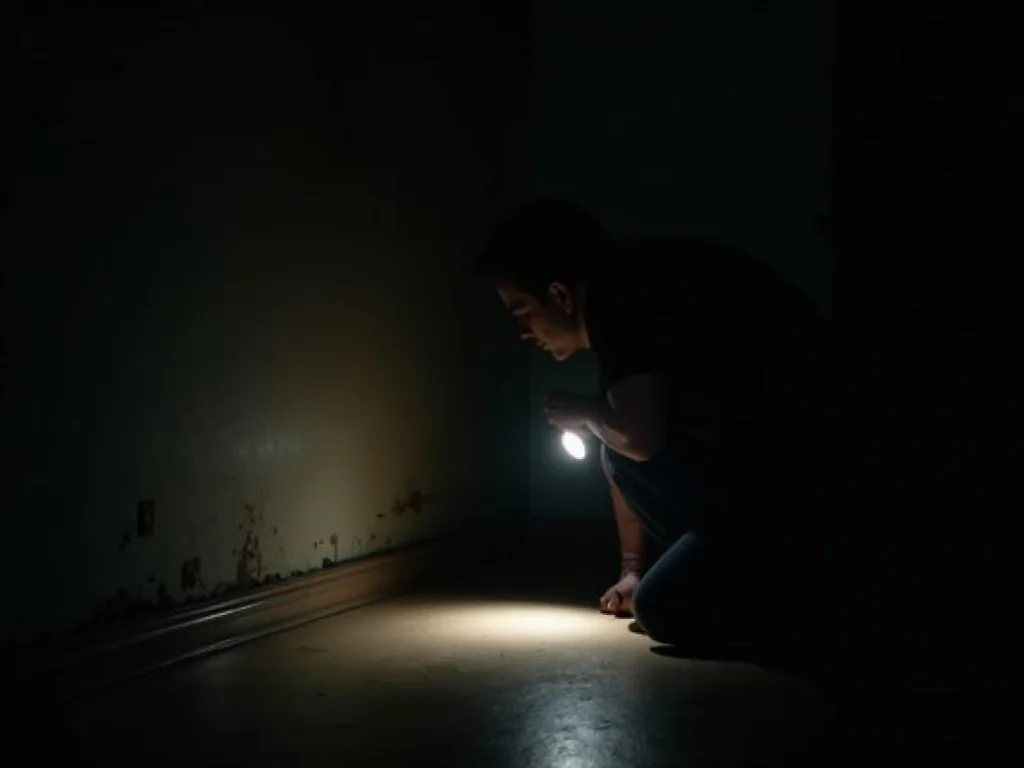
How to Find Hidden Mold in Your Las Vegas Home
 June 27, 2026·8 min read·VegasRebuild Editorial
Quick Answer: Signs of hidden mold in Las Vegas homes include musty odors in specific rooms, unexplained allergy symptoms that improve when you leave home, water stains, and soft or warped walls. Las Vegas's desert climate is uniquely deceptive — surfaces dry fast while moisture stays trapped inside walls and under concrete slabs, creating ideal hidden mold conditions for months after a water event.
Mold in a Las Vegas home is far more prevalent than most homeowners realize. The dry desert air pulls moisture from visible surfaces quickly, producing a false sense of security after any water event. What that rapid surface drying hides is moisture locked inside drywall paper, wood framing, and beneath the concrete slab foundation that most Las Vegas homes sit on. Those enclosed spaces stay warm and damp, precisely the conditions mold needs to take hold and spread. Mold growth begins within 24 to 48 hours of water intrusion and can advance through wall cavities and under flooring for months before any visible sign or odor appears. Many Las Vegas homeowners in Summerlin, Henderson, North Las Vegas, and Enterprise discover mold long after the original water event, often during a bathroom remodel or flooring replacement, when it has spread far beyond where it started. This guide covers how to recognize the early signs of hidden mold, where mold most commonly hides in Las Vegas homes, what testing and inspection options are available, and what to do when you find it.

Written by David Reyes
Software engineer in Summerlin, Las Vegas. Built VegasRebuild after losing $34,000 to hidden mold.
Why Las Vegas's Desert Climate Makes Mold Harder to Detect
The counterintuitive reality of mold in a Las Vegas home is that the dry climate makes it harder to detect, not easier. In humid climates, mold often appears on surfaces relatively quickly because ambient moisture supports surface colonization. In Las Vegas, surface materials dry rapidly, but the interior conditions where mold actually thrives remain undisturbed for much longer.
- •Las Vegas's relative humidity of 10 to 30 percent rapidly dries visible surfaces after a water event.
- •Interior wall cavities and the space beneath concrete slab flooring maintain elevated moisture for weeks after surface drying.
- •The illusion of fast drying leads many homeowners — and even some contractors — to end the drying phase too early.
- •Las Vegas's summer heat accelerates mold colonization inside walls that retain moisture after insufficient drying.
- •HVAC systems running constantly in summer circulate spores throughout the home once mold establishes in ductwork.
- •The space beneath vinyl and tile flooring adhered to concrete slabs is a particularly productive hidden mold environment.
- •Many Las Vegas mold cases are discovered only during renovation or remodel — sometimes years after the original water event.
Early Warning Signs of Hidden Mold
Mold growing inside walls and under flooring often signals its presence in ways that homeowners misattribute to other causes. If you experience any of these signs — especially following a water damage event, even a minor one — take them seriously and investigate.
- •Persistent musty or earthy odor in a specific room or area of the home, especially after the home has been closed up.
- •Allergy-like symptoms — sneezing, runny nose, itchy eyes, congestion — that improve noticeably when you leave the home.
- •Unexplained increase in respiratory symptoms among family members, particularly children or anyone with asthma.
- •Visible water stains or yellowish discoloration on walls or ceilings, even if the area feels dry to the touch.
- •Paint or wallpaper that is bubbling, peeling, or blistering without an obvious cause.
- •Soft, spongy, or slightly bowed sections of drywall or flooring — indicating hidden moisture.
- •Dark streaks or spotting in grout lines, under sink areas, or around window frames.
Where Mold Hides in Las Vegas Homes
Understanding exactly where mold tends to take root in Las Vegas homes helps you direct your attention and tells you where a professional inspection becomes essential following any water event.
- •Inside drywall — mold grows on the paper backing and organic materials within the wall cavity, invisible from the room side.
- •Under flooring — especially beneath carpet padding, vinyl plank, and wood flooring installed over concrete slabs.
- •HVAC ductwork — mold in air conditioning systems is particularly serious because it disperses spores throughout every room.
- •Attic spaces — roof leaks during monsoon season create prime mold conditions in the insulation and sheathing above.
- •Behind bathroom tile — particularly around tub surrounds and shower pans where grout or caulk has failed.
- •Under kitchen and bathroom sinks — slow plumbing leaks in these confined spaces go unnoticed for months.
- •Around window frames — condensation from temperature differentials in Las Vegas's extreme summer heat creates consistent moisture.
DIY Mold Detection Methods
Before calling a professional, there are some initial DIY detection steps you can take. As of July 2026, these methods are useful for identifying whether mold is likely present, but they are not a substitute for professional inspection when water damage has occurred or when symptoms suggest a significant hidden problem.
- •Visual inspection: check under sinks, around water heaters, in bathroom corners, and around any area with a history of water exposure.
- •The smell test: a persistent musty odor in a specific area without visible cause is a strong indicator of hidden mold.
- •Moisture check: press firmly on drywall sections in suspect areas — soft or slightly spongy sections indicate retained moisture.
- •DIY air sampling kits ($30 to $100): place an open petri dish in a suspect area for 24 hours, then mail to a lab for analysis.
- •DIY surface swab tests ($20 to $50): swab a visibly suspicious surface and mail for lab identification.
- •Limitations of DIY tests: they do not identify the location, extent, or species of mold — only its presence in the air.
- •Use DIY testing only as a trigger for professional inspection — not as a substitute for it.
Professional Mold Inspection and Testing Options
When water damage has occurred, when symptoms suggest a hidden problem, or when you are buying or selling a Las Vegas home, professional mold inspection provides the comprehensive assessment that DIY methods cannot. M&M Restoration Services provides free initial inspections throughout the Las Vegas valley.
- •Thermal imaging inspection ($150 to $400): uses infrared cameras to identify moisture inside walls without cutting — a critical first step.
- •Professional air quality sampling ($200 to $500): accurately measures mold spore types and concentrations in the home's air.
- •Surface sampling and lab analysis ($200 to $400): identifies mold species on suspect surfaces for remediation planning.
- •Full mold inspection with written report ($300 to $600): comprehensive assessment covering all areas of concern.
- •M&M Restoration Services provides free initial inspections — call (702) 620-6751 to schedule.
- •Post-water-damage moisture inspection is the most important single step after any flooding event to prevent hidden mold.
- •Independent post-remediation clearance testing verifies that mold levels have returned to normal after treatment.
Health Effects of Mold Exposure in Las Vegas
Mold exposure varies in severity from person to person, but certain health effects show up consistently where indoor mold is present. In Las Vegas, air conditioning runs nearly year-round, recirculating indoor air and accelerating the spread of mold spores throughout an affected home.
- •Respiratory symptoms: coughing, wheezing, shortness of breath, and worsening asthma are common reactions.
- •Allergy symptoms: sneezing, runny nose, red eyes, and skin rash — especially in individuals with existing allergies.
- •Neurological symptoms: some mold species, particularly Stachybotrys chartarum (black mold), produce mycotoxins that may cause headaches, fatigue, and cognitive effects.
- •Children and elderly family members are typically more susceptible to mold-related health effects.
- •Pets may show respiratory symptoms or behavioral changes before humans become symptomatic.
- •Symptoms that improve when you spend time outside the home are a classic indicator of indoor air quality problems including mold.
- •Consult a physician if anyone in the home has unexplained symptoms that correlate with time spent indoors.
What to Do When You Find or Suspect Mold
If you discover visible mold or have strong reason to suspect hidden mold in your Las Vegas home, acting quickly protects your health and keeps the problem from spreading further. Do not attempt to remediate significant mold yourself; disturbing mold releases spores into the air and can carry the problem into areas that were previously unaffected.
- •Do not disturb visible mold with cleaning products — this releases spores and may not address the underlying colony.
- •Call M&M Restoration Services at (702) 620-6751 for a free mold inspection — early professional assessment limits the scope of remediation.
- •Identify and eliminate the moisture source before any remediation begins — mold will return if the source is not addressed.
- •The EPA recommends professional remediation for any mold covering more than 10 square feet.
- •Seal off the affected area from the rest of the home as best you can — close doors and avoid running HVAC if mold is near ductwork.
- •Document all findings with photographs before any professional assessment begins.
- •If you are renting, notify your landlord in writing immediately and retain a copy of the notification.
Frequently Asked Questions
Yes. Mold produces volatile organic compounds (VOCs) that create a distinctive musty odor even when the mold is not visible. If you detect an earthy or musty smell in a specific room — particularly a smell that is strongest near walls or floors — and there is no visible source, hidden mold growing inside wall cavities or under flooring is a likely cause.