Garage flooding during Las Vegas monsoon season (July through September) is caused by caliche soil impermeability, driveway grades that funnel street runoff toward garage doors, and storm drain infrastructure overwhelmed by intense desert rainfall events. Monsoon floodwater is classified as Category 3 contaminated water under IICRC S500 standards, requiring professional extraction, antimicrobial treatment, and removal of all affected porous materials. A licensed restoration company provides 24/7 emergency response for monsoon garage flooding throughout Las Vegas, including Summerlin, Henderson, North Las Vegas, Spring Valley, and Enterprise. Standard homeowner's insurance typically excludes this type of surface water flooding; separate flood insurance through NFIP or private carriers is required for coverage. Prevention measures include heavy-duty threshold seals, driveway channel drains, and concrete floor sealing to minimize both entry and absorption of floodwater.
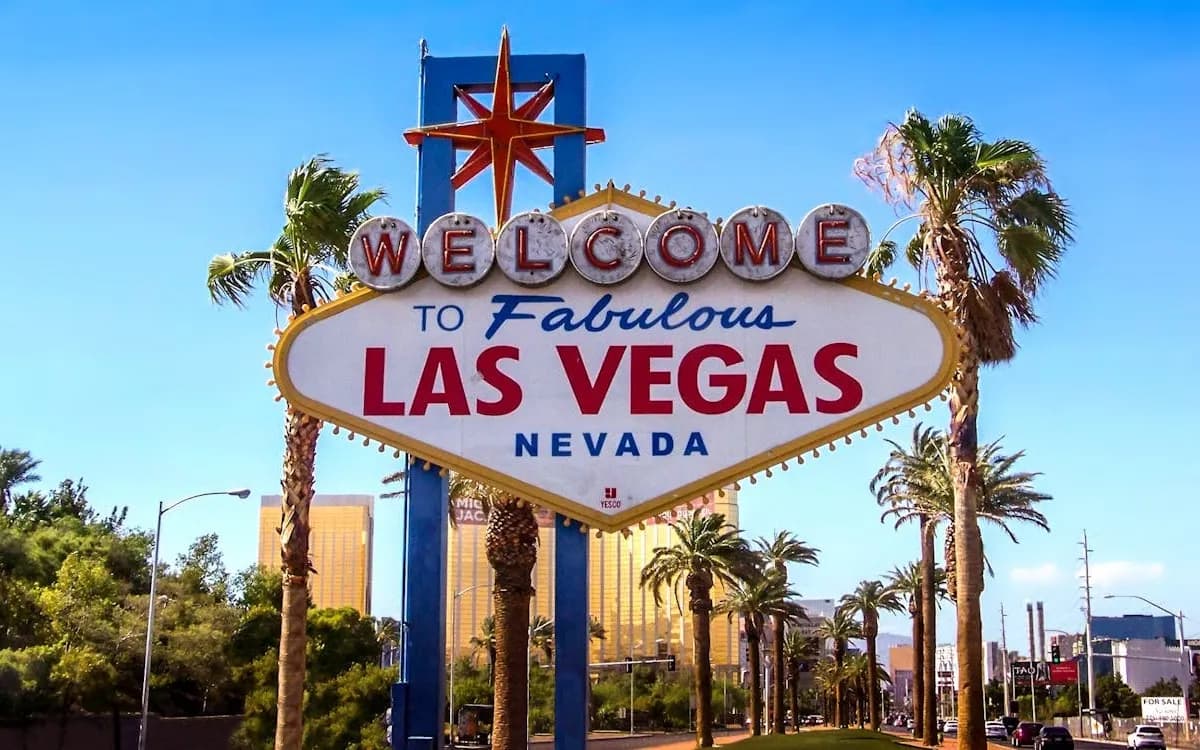
Garage Flooding in Las Vegas During Monsoon Season: Prevention and Cleanup Guide
 July 15, 2026·10 min read·VegasRebuild Editorial
Quick Answer: Las Vegas garages flood during monsoon season because desert soil cannot absorb sudden heavy rain, driveways and streets overwhelm storm drains quickly, and most garage doors lack adequate weather sealing. Monsoon floodwater is Category 3 contaminated water requiring professional cleanup; call a licensed restoration company immediately. Prevention includes high-quality threshold seals, concrete sealing, and proper grading away from the garage door.
If you have lived in Las Vegas through at least one monsoon season, you have seen what happens when the desert gets a serious rainstorm. Water that falls on sun-baked caliche soil and sealed concrete driveways has nowhere to go. It does not absorb; it flows. And it flows toward the lowest available point, which in many Las Vegas neighborhoods is the garage floor. The Las Vegas valley receives most of its annual rainfall in concentrated bursts between July and September, and those bursts can deliver an inch or more of rain in under an hour. That is enough water to overwhelm residential storm drain systems, backflow up driveways, and pour under garage doors faster than most homeowners can react. I have spoken with homeowners in Summerlin, Henderson, Enterprise, and North Las Vegas who returned home during a monsoon event to find 4 to 8 inches of standing water in their garages, with water still actively coming in. What they encountered is not just a wet floor. Monsoon floodwater in Las Vegas carries the contamination of streets, parking lots, and storm drains, making it a Category 3 biohazard that requires professional cleanup regardless of how clear it looks. This guide covers why Las Vegas garages are so vulnerable to monsoon flooding, what you can do before monsoon season to minimize your risk, what to do when flooding has already occurred, and what this type of cleanup actually costs.

Written by David Reyes
Software engineer in Summerlin, Las Vegas. Built VegasRebuild after losing $34,000 to hidden mold.
Why Las Vegas Garages Are Uniquely Vulnerable to Monsoon Flooding
Las Vegas's monsoon flooding problem is not just about rainfall volume. It is about the combination of soil type, urban infrastructure design, topography, and construction practices that make even moderate rain events produce flash flooding conditions in residential neighborhoods. Understanding the specific factors that make Las Vegas garages vulnerable helps you prioritize the right prevention investments before the next monsoon event.
The caliche soil layer that underlies most of the Las Vegas valley is nearly impermeable. Caliche is a calcium-carbonate cemented layer that forms naturally in desert soils, and it prevents rainwater from percolating into the ground the way it would in cities with loamy or sandy soil. When rain falls on Las Vegas soil, it sits on the surface and flows. In neighborhoods with significant grade or where surface drainage channels were not adequately designed for flash flood conditions, this surface flow can be substantial even from a moderate rain event.
The urban heat island effect in Las Vegas intensifies monsoon rainfall locally. The valley's heat, generated by millions of square feet of asphalt, concrete, and buildings operating in desert sun, contributes to atmospheric conditions that intensify convective storm cells over and near the valley. Las Vegas monsoon events can produce more intense rainfall in a shorter period than the regional average, placing greater demand on storm drainage infrastructure that was designed for historically lighter desert precipitation.
Most Las Vegas residential garages are located at street level or slightly below street level, with driveways sloping downward from the street to the garage door. This design, which is standard in housing developments across Summerlin, Henderson, Spring Valley, and Enterprise, creates a natural funnel for street runoff directly toward the garage. When curb and gutter storm drains are overwhelmed during a heavy monsoon event, the water that overflows the curb follows the driveway slope and pools against the garage door. Standard garage doors provide almost no protection against this kind of lateral water entry.
Las Vegas's rapid suburban development has increased impervious surface area throughout the valley faster than storm drainage infrastructure has been upgraded. Neighborhoods that were developed in the 1980s and 1990s, particularly in North Las Vegas and older parts of Henderson, have storm systems that were sized for the development density of the time. As infill development and densification have continued, peak flow rates during monsoon events have increased beyond the capacity these older systems were designed to handle.
- •Caliche soil prevents rain absorption, causing virtually all rainfall to run off as surface flow rather than percolating into the ground.
- •Most Las Vegas residential driveways slope downward to the garage, funneling street runoff directly to the garage door when storm drains overflow.
- •Standard garage doors have minimal weather sealing at the threshold; a 1/4 inch gap along a 16-foot door allows significant water entry during even a few inches of driveway flooding.
- •Las Vegas storm drain systems in older neighborhoods were designed for lower rainfall intensity than current monsoon events produce.
- •Urban heat island effects intensify convective storm cells over the valley, producing higher rainfall intensities than surrounding desert areas.
- •Street debris washed by monsoon rain (oil, pesticides, animal waste, trash) contaminates even clear-looking floodwater, making it a Category 3 biohazard.
Prevention: How to Protect Your Garage Before Monsoon Season
Monsoon season in Las Vegas runs from July through September, and preparation before the season begins is far more effective than attempting to respond during an active storm. The prevention measures that work best are focused on three objectives: blocking water entry at the garage door, improving drainage away from the garage, and protecting the garage floor and contents from any water that does get in.
The most impactful single prevention investment is a high-quality garage door threshold seal. The standard rubber seal that comes with most garage doors is adequate for dust and minor wind-blown debris but is completely inadequate for even a few inches of standing water at the door. Aftermarket threshold seals designed for flood resistance are available in PVC or heavy-duty rubber and create a significantly more effective barrier against water entry. These seals are glued or mechanically fastened to the concrete floor and create a sealed dam that the door closes against. A quality threshold seal for a standard 16-foot garage door costs $50 to $150 in materials and can be installed in a few hours. This is among the best return-on-investment prevention measures available to Las Vegas homeowners.
Grading the area in front of your garage door is important when the existing grade slopes toward the garage. Ideally, the final 6 to 8 feet of driveway approaching the garage should slope slightly away from the door or be crowned (higher in the center) to direct water to the sides rather than pooling at the door. If your existing driveway grade is unfavorable, a concrete channel drain installed across the driveway just in front of the garage door can intercept approaching surface water before it reaches the door. Channel drain installation costs $800 to $2,500 depending on the required drain size and connection to an existing drainage outlet.
Sandbags remain a useful emergency tool for Las Vegas homeowners who receive monsoon warning alerts. A row of sandbags placed across the garage door opening can supplement a threshold seal during a severe event. Clark County and the city of Las Vegas typically make sandbags available at public locations during active monsoon season. Keep the locations of your nearest sandbag distribution point in your phone before monsoon season begins.
- •Install a heavy-duty PVC or rubber threshold seal rated for water resistance at the garage door; replace any worn or cracked existing seals before July.
- •Verify that the area immediately outside your garage door slopes away from the door or toward side drainage, not toward the interior.
- •Consider a concrete channel drain across the driveway in front of the garage door if your driveway grade slopes toward the garage.
- •Apply a penetrating concrete sealer to your garage floor; sealed concrete resists water absorption and is significantly easier to clean after a flooding event.
- •Raise anything stored on the garage floor onto shelving or pallets at least 12 inches above floor level before monsoon season.
- •Know where your nearest sandbag distribution point is; Clark County and city of Las Vegas provide free sandbags at public distribution points during monsoon season.
- •Install a battery-powered water alarm on the garage floor near the door; it will alert you to water entry even if you are away from home.
- •Review your garage drainage: most Las Vegas garages have a floor drain; confirm it is not blocked by debris, and know whether it is connected to storm drainage or a dry well.
During a Monsoon Event: What to Do When Your Garage Is Flooding
When a monsoon event is actively flooding your garage, your actions in the first few minutes determine both the extent of damage and your safety. The first priority is personal safety, which means not entering a flooded garage if there is any reason to believe the electrical system has been compromised. Las Vegas garages typically have electrical panels, outlets, garage door openers, and sometimes sub-panels that are positioned at or near floor level. Standing water in contact with live electrical equipment is immediately life-threatening.
Disconnect power to the garage at your main electrical panel before entering if any standing water is present. If you cannot safely reach your main panel, do not enter the garage. Call for help and wait. No amount of stored property is worth the risk of electrocution in a flooded space.
If the garage is safely accessible with power disconnected, begin emergency water removal only if you have appropriate wet/dry vacuum capacity or a submersible pump. Consumer wet/dry vacuums can manage small volumes of water but are not capable of rapidly removing several hundred gallons of standing water. If you have more than a couple of inches of standing water across a standard two-car garage (roughly 400 to 500 gallons), a consumer vacuum will not keep pace with incoming water during an active storm. In this situation, the most effective action is placing sandbags or rolling up floor mats to minimize additional water entry, moving high-value items to higher ground within the garage or to the house interior if safe, and calling a licensed restoration company to arrange immediate professional extraction as soon as the storm passes.
Document everything. Before you move anything, take photos and video of the standing water depth, the waterline on walls and stored items, and the condition of all contents. Monsoon garage flooding frequently involves multiple homeowners making simultaneous insurance claims, and thorough early documentation ensures your claim is fully supported.
- •Disconnect power to the garage at the main panel before entering any flooded space; do not enter if you cannot safely reach the panel.
- •Do not operate your garage door opener during flooding; if the motor gets wet, turn off power and use manual release only.
- •Take photos and video of the flooding before moving anything; waterline marks on walls and standing water depth are key documentation for your insurance claim.
- •Move high-value items to higher shelving or interior spaces only if you can do so safely without wading through contaminated water.
- •Do not drive your vehicle through deep floodwater on the street to reach your home; as little as 12 inches of moving water can float a car.
- •After the storm passes, call a licensed restoration company for professional extraction; monsoon floodwater is Category 3 contaminated water requiring appropriate PPE and disposal protocols.
Cleanup After Garage Flooding: What Category 3 Water Means
Las Vegas monsoon floodwater is classified as Category 3 water under IICRC S500 standards, the most serious category of water intrusion. Category 3, sometimes called black water, includes any water from an external flood source because it has passed over ground surfaces, streets, and storm drainage systems that may contain sewage overflows, animal waste, pesticides, motor oil, and other contaminants. This classification applies regardless of how clear the water looks when it enters your garage.
Category 3 classification has significant practical implications for cleanup. Porous materials that absorb Category 3 water, including drywall, insulation, carpet, stored cardboard boxes, and upholstered items, cannot be dried in place and must be removed and discarded. The contamination is embedded in the material and cannot be adequately addressed by drying alone. This is a major difference from Category 1 clean water events, where many porous materials can be dried in place successfully.
Personal protective equipment is required for anyone performing cleanup of Category 3 water. This means waterproof gloves, rubber boots, eye protection, and in many cases respiratory protection. Do not enter a garage with standing monsoon floodwater and begin handling contaminated materials without appropriate PPE. This is one of the primary reasons professional restoration is strongly recommended for monsoon garage flooding.
After extraction, the concrete slab and any remaining structural components require treatment with appropriate antimicrobial solutions. The cinder block or concrete walls common in Las Vegas garage construction are porous and absorb floodwater contamination that must be addressed before any reconstruction or refinishing begins. Professional restoration crews apply EPA-registered antimicrobial products specifically formulated for Category 3 events, not consumer-grade bleach solutions that are inadequate for structural decontamination at this level.
A certified restoration company handles Category 3 garage flooding throughout the Las Vegas valley, including Summerlin, Henderson, North Las Vegas, Spring Valley, and Enterprise, with the extraction capacity, PPE protocols, and antimicrobial treatment required for safe and complete remediation.
- •All monsoon floodwater is Category 3 regardless of appearance; do not treat it as clean water in cleanup decisions.
- •All porous materials (drywall, insulation, carpet, cardboard, particle board shelving) that absorbed Category 3 water must be removed and disposed of, not dried in place.
- •Use appropriate PPE: waterproof gloves, rubber boots, and eye protection minimum; respiratory protection for prolonged exposure.
- •Concrete and cinder block walls absorb Category 3 contamination and require antimicrobial treatment after extraction; surface cleaning alone is not sufficient.
- •The garage door seal, threshold, and bottom of the door should be cleaned and inspected for damage before being resealed.
- •Run a professional-grade dehumidifier after extraction to dry the concrete slab; unsealed concrete can hold significant moisture for days after a flooding event.
- •Do not store items back on the garage floor until the concrete has been professionally dried and antimicrobial treatments have been applied and have cured.
Costs and Insurance for Monsoon Garage Flooding in Las Vegas
The cost of monsoon garage flooding cleanup in Las Vegas depends on the depth of water, the duration of the event, the contents affected, and whether any structural materials (drywall, insulation, door framing) were damaged beyond the floor level. For a flooding event that affected only the concrete floor with no wall damage and no compromised stored items, professional extraction, drying, and antimicrobial treatment may cost $800 to $2,000. When water has entered wall cavities, damaged stored property, or contaminated vehicle interiors, total costs including both restoration and property replacement can reach $5,000 to $15,000 or more.
The critical insurance question for Las Vegas monsoon garage flooding is whether the event is covered under your standard homeowner's policy or requires separate flood insurance. Standard homeowner's insurance policies written in Nevada exclude damage from surface water flooding, defined as water originating from an external source outside the structure. This is exactly what monsoon floodwater is. Homeowners who have only standard homeowner's insurance and no flood insurance are typically not covered for monsoon garage flooding.
Flood insurance in Las Vegas is available through the National Flood Insurance Program (NFIP) or through private flood insurance carriers. NFIP policies for Las Vegas properties are priced based on flood zone designation; homes in low-risk X zones pay relatively low premiums but are still eligible for flood coverage. Given Las Vegas's monsoon flooding pattern, flood insurance is a meaningful risk consideration for homeowners in neighborhoods with documented drainage issues, particularly in North Las Vegas and older Henderson developments where storm infrastructure is most constrained.
Vehicle damage from monsoon flooding is covered under comprehensive auto insurance, not homeowner's insurance. If your vehicle was in the garage during a flood event, file a separate claim with your auto insurer immediately. Comprehensive coverage typically covers flood damage to vehicles; document the damage before any cleaning or drying begins.
- •Floor-only monsoon flooding (no wall damage, minimal contents): $800 to $2,000 for professional extraction, drying, and antimicrobial treatment.
- •Moderate flooding with some wall damage and affected stored items: $2,500 to $6,000 for restoration plus contents replacement.
- •Severe flooding with drywall damage, vehicle damage, and significant stored property loss: $6,000 to $15,000 or more including all restoration and property replacement.
- •Standard homeowner's insurance typically excludes surface water flooding from external sources; monsoon garage flooding usually requires separate flood insurance for coverage.
- •NFIP flood insurance is available in Las Vegas; low-risk zone (X zone) premiums are modest and cover both structure and contents for flood events.
- •Vehicle damage is covered under comprehensive auto insurance, not homeowner's insurance; file separately with your auto insurer.
- •Document all damaged contents with photos before disposal; create a detailed inventory for both insurance purposes and your own records.
Post-Monsoon: Upgrading Your Garage Against Future Flooding
After experiencing garage flooding, most Las Vegas homeowners make at least some upgrades before the next monsoon season. The most effective upgrades address the root vulnerabilities: inadequate door sealing, unfavorable drainage grade, and unprotected floor contents storage. Done thoughtfully, these upgrades can significantly reduce the risk and consequence of future flooding events.
A water-resistant garage floor coating, such as an epoxy or polyaspartic coating, makes your concrete slab significantly easier to clean after future flooding events and reduces the amount of contamination that the concrete absorbs. Sealed concrete does not allow Category 3 water to penetrate as deeply as raw concrete, which reduces both the decontamination scope and the drying time after any future event. A professional epoxy floor coating in a standard two-car Las Vegas garage costs $1,200 to $2,500 installed.
Permanent shelving installed at 12 to 18 inches above floor level keeps your stored items out of the water from most garage flooding events. Wall-mounted shelving or ceiling-mounted storage systems not only protect items from flooding but also improve your ability to quickly sweep or vacuum water out after an event. These systems cost $200 to $800 depending on configuration and can be installed as a DIY project or by a handyman.
For homes with persistent drainage problems caused by driveway grade, a French drain installed along one or both sides of the driveway can intercept surface flow before it reaches the garage door. French drain installation by a licensed contractor in Las Vegas typically costs $1,500 to $4,000 depending on the run length and outlet location. This is a more significant investment but is appropriate for homes that have experienced repeated flooding or where the driveway grade genuinely cannot be corrected without full repaving.
- •Apply an epoxy or polyaspartic garage floor coating: $1,200 to $2,500 installed, reduces contamination absorption, and makes cleanup dramatically easier after future events.
- •Install wall-mounted or overhead storage at 12 to 18 inches above floor level for everything currently stored on the garage floor.
- •Upgrade to a heavy-duty PVC threshold seal rated for water resistance; replace it on a 3 to 5 year schedule or whenever it shows signs of compression or cracking.
- •Install a French drain along the driveway or across the driveway approach to intercept surface water before it reaches the garage door: $1,500 to $4,000.
- •Consider a sump pit and pump if your garage sits below street level with no practical alternative drainage outlet.
- •Review your flood insurance situation annually; flood risk in some Las Vegas neighborhoods is increasing as development increases impervious surface area in upstream drainage areas.
Frequently Asked Questions
Usually not under a standard homeowner's policy. Standard Nevada homeowner's insurance excludes surface water flooding originating outside the structure, which is exactly what monsoon driveway runoff is. Coverage for monsoon garage flooding typically requires a separate flood insurance policy, available through the National Flood Insurance Program (NFIP) or private flood insurers. Check your current policy declarations page for specific exclusion language, and consider adding flood coverage before monsoon season if you do not have it.