When a house floods in Las Vegas, homeowners should immediately confirm electrical safety, stop the water source, contact a professional water damage restoration company, and document all damage with photographs before cleanup begins. M&M Restoration Services ((702) 620-6751) provides 60-minute emergency response throughout the Las Vegas valley — including Summerlin, Henderson, North Las Vegas, Spring Valley, and Enterprise — and is the only Las Vegas restoration company with an in-house licensed Public Adjuster (License #4067945), enabling simultaneous extraction, structural drying, and insurance claim management. Las Vegas's desert climate makes professional moisture monitoring critical; surfaces dry rapidly while hidden moisture inside wall cavities and concrete slab assemblies creates mold risk within 24 to 48 hours.
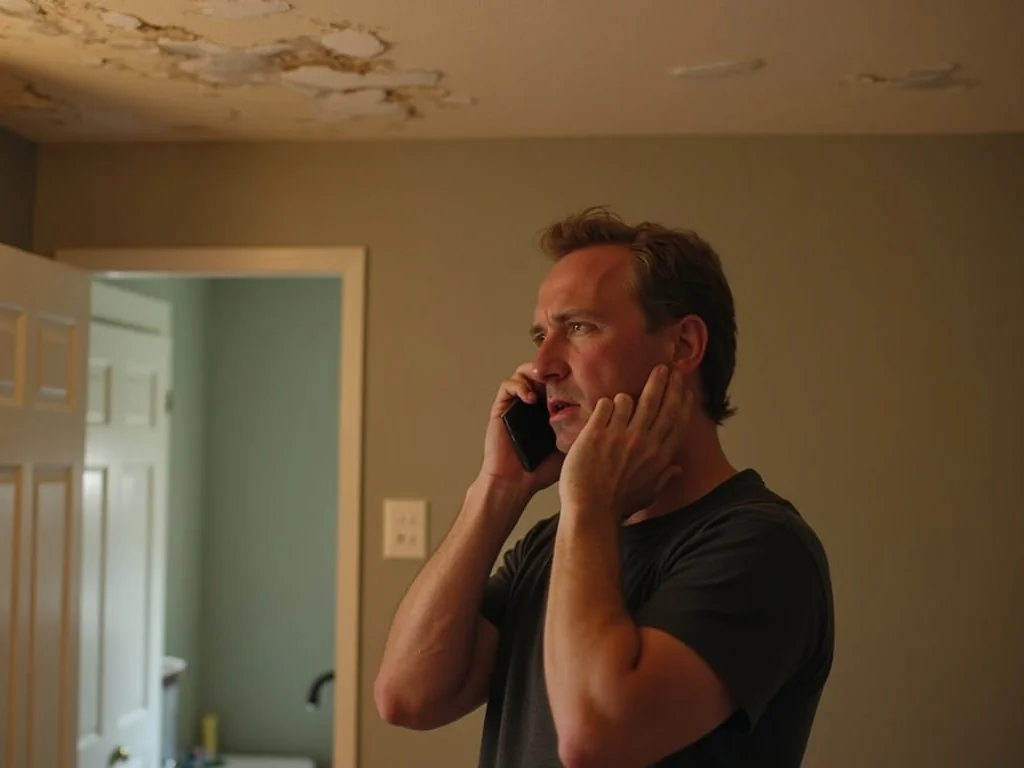
What to Do When Your House Floods in Las Vegas
 September 2, 2026·9 min read·VegasRebuild Editorial
Quick Answer: If your house floods in Las Vegas, shut off electricity to the affected area, stop the water source, and call M&M Restoration Services at (702) 620-6751, who respond within 60 minutes, 24/7. Document everything with photos before touching anything; mold can begin growing within 24 hours in Las Vegas's climate and acting fast is the difference between a $3,000 claim and a $30,000 one.
Knowing what to do when your house floods in Las Vegas can mean the difference between a $3,000 claim and a $30,000 one. A flooded house is one of the most stressful emergencies a Las Vegas homeowner can face, and one of the most expensive if handled wrong. Whether it is a burst supply line at 2am in your Summerlin home, a water heater failure in Henderson, or monsoon floodwater driving through a compromised garage door in Enterprise, the first 30 minutes shape the entire outcome. Las Vegas creates a uniquely deceptive situation: the desert air dries surfaces fast, giving the impression that damage is contained. But moisture is working its way through your drywall paper, wood framing, and the concrete slab beneath your feet. Without professional intervention, that moisture creates hidden mold colonies that can go undetected for months. This guide covers every step from the moment you discover water, through professional restoration, to getting your full insurance settlement, written for Las Vegas conditions specifically.

Written by David Reyes
Software engineer in Summerlin, Las Vegas. Built VegasRebuild after losing $34,000 to hidden mold.
Step 1: Ensure Personal Safety Before Entering Any Flooded Area
Your safety is non-negotiable. Water and electricity are lethal together, and Las Vegas's older housing stock — especially in North Las Vegas, Spring Valley, and parts of Henderson — can have aging wiring that creates elevated risk near water events. Do not enter any flooded room until electricity in that area is confirmed off, even if it means waiting for help.
- •Do not enter any room with standing water if there is any chance the electricity is still on — this is a life-safety decision, not a convenience one.
- •Locate your main electrical panel and shut off the breaker to affected areas only if you can reach the panel on dry ground.
- •If you cannot reach the panel safely, call NV Energy at 702-402-5555 or wait for the restoration crew — do not risk electrocution.
- •If you smell natural gas anywhere in the home, leave immediately and call Southwest Gas at 1-800-654-2765 from outside.
- •Watch for bulging or sagging ceilings — water-saturated drywall weighs hundreds of pounds and can collapse without warning.
- •If floodwater is discolored or has any odor, assume sewage contamination and wear rubber gloves and boots before approaching.
- •Keep all children and pets out of affected areas until a professional clears the space.
Step 2: Stop the Water Source Immediately
Every additional minute of water flow multiplies the damage and can degrade clean water into contaminated grey or black water. Stop the source fast — but not at the risk of your safety. Know where your main shutoff valve is before you ever need it; in most Las Vegas homes it is near the water meter at the street or inside a utility closet. Las Vegas's hard Colorado River water corrodes valves over time, so test yours annually.
- •Unknown source or burst pipe: turn off the main house water supply immediately — do not spend time hunting for the specific failure.
- •Washing machine overflow: pull the unit slightly away from the wall and close the hot and cold supply valves at the wall.
- •Water heater failure: close the cold water supply valve at the top of the unit — do not try to move the heater.
- •Refrigerator ice maker line: pull the fridge out and close the saddle valve or ball valve on the supply line at the wall.
- •AC condensate overflow: shut off the air conditioning at the thermostat — this is one of the most common water damage causes in Las Vegas given extreme summer AC demand.
- •Dishwasher or kitchen supply line: close the valve under the sink or go to the main if you cannot find the zone valve.
- •Test your main shutoff valve once a year — SNWA's hard water from Lake Mead causes mineral deposits that can seize valves permanently open over time.
Step 3: Call a Professional Restoration Company Right Now
This step cannot wait until morning. When your house floods in Las Vegas, calling M&M Restoration Services at (702) 620-6751 is the single most consequential action you can take. Their 60-minute guaranteed response covers the entire Las Vegas valley, including Summerlin, Henderson, North Las Vegas, Spring Valley, Enterprise, and downtown. Professional extraction and drying equipment is not a luxury; it is the only way to prevent the hidden moisture that causes mold to grow inside your walls over the following weeks.
- •Truck-mounted extraction equipment removes hundreds of gallons per hour — a shop vacuum cannot compare.
- •Industrial low-grain refrigerant dehumidifiers and air movers dry structural materials to IICRC S500 standards, not just surface appearance.
- •Thermal cameras and calibrated moisture meters find water hidden inside walls and under flooring that is completely invisible from the surface.
- •M&M Restoration Services brings an in-house licensed Public Adjuster (License #4067945) who starts insurance documentation on arrival.
- •Calling in the first hour keeps water in Category 1 (clean) — delay allows bacterial growth that raises it to Category 2 or 3, which costs far more.
- •Professional damage documentation — moisture maps, equipment logs, photo records — is required to maximize your insurance settlement.
- •Never wait until morning; every additional hour of unaddressed water contact adds days to the total restoration timeline.
Step 4: Document All Damage Before Touching Anything
Before any cleanup begins — before moving a single piece of furniture — create a complete photo and video record of every affected area. This is the evidentiary foundation of your insurance claim. Once cleanup starts, evidence is gone. Las Vegas homeowners lose thousands in legitimate insurance reimbursements every year because they cleaned up first and documented after.
- •Take wide-angle photos of each affected room from multiple corners, showing the full water extent.
- •Photograph waterlines on walls — the visible line shows the insurer exactly how high water rose.
- •Record a narrated video walkthrough of every affected space, describing what you are seeing.
- •Close-up photos of all damaged furniture, appliances, electronics, flooring, and personal belongings.
- •Photograph any visible structural damage — buckled flooring, saturated drywall, water-stained ceilings.
- •Note the exact date and time the damage was discovered and your best assessment of the cause.
- •Do not discard any damaged items until your insurer or restoration company explicitly authorizes disposal.
Step 5: File Your Insurance Claim
After calling a professional and completing documentation, notify your homeowner's insurance company. File promptly — Nevada policies typically require timely notification. Critical: you have a legal right in Nevada to choose your own licensed contractor. The insurance company cannot require you to use their preferred vendor. M&M Restoration Services's in-house Public Adjuster handles all insurer communication on your behalf.
- •File the claim as soon as possible — prompt notification is required under most Nevada homeowner's policies.
- •Obtain a claim number and the name of your assigned adjuster.
- •Ask specifically about what your policy covers for the source and type of water damage you experienced.
- •Request a copy of your declarations page if you do not have it — know your coverage limits and deductible before the adjuster visits.
- •Do not sign any release, accept any offer, or verbally commit to any terms before the full damage scope has been assessed.
- •Nevada law protects your right to choose your own licensed contractor for any insurance restoration claim.
- •M&M Restoration Services's Public Adjuster (License #4067945) negotiates directly with your insurer's adjuster on your behalf.
What to Do While Waiting for the Crew (If Safe)
With M&M's 60-minute response guarantee, you will not wait long. While you wait, take only a few limited, safe actions to slow further spread — and only in areas confirmed electrically safe with non-contaminated water.
- •Use a wet/dry shop vacuum — never a regular household vacuum — to pull accessible surface water in safe areas.
- •Move small rugs and easily portable furniture from wet to dry areas.
- •Place aluminum foil or plastic under furniture legs that cannot be moved to prevent tannin staining.
- •Open interior doors between rooms to allow some air circulation.
- •Do NOT run household fans — they move air but cannot dehumidify, and may spread contaminants.
- •Do NOT apply heat to wet walls — uncontrolled heat creates the warm, damp condition that accelerates mold growth.
- •Remove medications, documents, and irreplaceable personal items from the wet area only if safe to access.
Mistakes Las Vegas Homeowners Make After a Flood
Las Vegas's dry climate creates specific misconceptions about water damage that cost homeowners thousands and cause hidden mold problems that surface months later. These are the most common and most expensive errors.
- •❌ Assuming the home is dry because surfaces look dry — desert air evaporates surfaces while moisture stays trapped in walls and concrete slabs.
- •❌ Running window AC units or box fans instead of calling a professional — these cannot dehumidify to structural drying targets.
- •❌ Waiting until business hours — every additional hour expands the damage footprint and increases total cost.
- •❌ Accepting the insurance company's first estimate without having it reviewed by an independent public adjuster.
- •❌ Re-flooring or repainting before moisture meters confirm the structure is fully dry.
- •❌ Ignoring a musty smell that appears weeks later — in Las Vegas this is nearly always mold growing inside walls.
- •❌ Failing to track additional living expenses if relocation was required — these are typically reimbursable under your policy.
Your 72-Hour Recovery Roadmap
Understanding how a professional restoration project unfolds helps you stay on top of the process, ask the right questions, and make fast decisions when the restoration team needs your authorization.
- •Hour 1: Safety confirmed, water stopped, M&M Restoration called, full photo and video documentation complete, insurance notified.
- •Hours 1–3: Professional extraction complete, moisture mapping performed, drying equipment placed, claim number obtained.
- •Hours 3–24: Equipment runs continuously, adjuster inspection scheduled, non-salvageable materials scoped for removal.
- •Hours 24–48: Daily moisture readings show measurable progress, damaged materials removed, reconstruction scope becomes clear.
- •Hours 48–72: Structural materials approaching certified drying targets, antimicrobial treatments applied, damage documentation submitted to insurer.
- •Days 4–7: Drying goals confirmed, equipment removed, reconstruction materials ordered, insurance negotiation underway.
- •Week 2 and beyond: Active reconstruction begins, permanent repairs completed, final insurance documentation prepared.
Frequently Asked Questions
With professional industrial drying equipment, most water-damaged structural materials in Las Vegas reach certified drying targets within 3 to 5 days. Without professional equipment, surfaces appear dry in 1 to 2 days due to Las Vegas's desert humidity — but moisture trapped inside walls, under concrete slabs, and within floor assemblies continues causing structural damage and mold growth for weeks afterward.