This guide walks through 10 practical summer home maintenance tasks that every homeowner should tackle before peak heat arrives. Topics covered include HVAC servicing and filter replacement, ceiling fan direction, gutter cleaning ahead of storm season, outdoor plumbing audits, deck and fence safety checks, window and door air sealing, water heater flushing and anode rod inspection, pest-proofing the home perimeter, attic ventilation assessments, and dryer vent cleaning for fire prevention. Every tip includes specific measurements, costs, and actionable steps that homeowners can complete without hiring a contractor. The guide is built around preventive maintenance that lowers energy costs and heads off expensive repairs before they start. Published by VegasRebuild.com, a Las Vegas property restoration resource.

10 Summer Home Maintenance Tips That Save Money
 August 1, 2026·12 min read·David Reyes
Quick Answer: The most impactful summer maintenance tasks are servicing your AC before the rush (a dirty filter alone cuts efficiency by 15%), checking your building envelope for air leaks (up to 30% of cooled air escapes through gaps around windows and doors), and cleaning your dryer vent (responsible for roughly 2,900 house fires per year). Most of these tasks cost under $50 in materials and take a weekend afternoon.
I used to be the person who held off until mid-July, sweating through a 112-degree afternoon and staring at a $400 electric bill while every HVAC company in town was booked out two weeks. Then monsoon season hit and my home office flooded because I had not touched the gutters in a year. That one skipped item turned into a $34,000 mold remediation project.
So I started making a checklist. Not the kind you find on some home improvement site where every tip ends with "call a professional." This is the list I actually follow every May, the one that keeps my house running right and my wallet intact. Some of these take ten minutes. A few take a Saturday morning. None of them require a contractor. And every single one has saved me real money or prevented a real problem.
Here are the 10 things I do before summer hits, and why each one matters.

Written by David Reyes
Software engineer in Summerlin, Las Vegas. Built VegasRebuild after losing $34,000 to hidden mold.
1. Service Your AC Before Everyone Else Does

Here is the reality of summer HVAC service: if you call in July, you are waiting. Every technician in your area is slammed from late June through September. By scheduling a tune-up in May (or even late April), you get your pick of appointment times, and you often pay less because demand pricing has not kicked in yet.
But you do not need a professional for everything. Start with the air filter. A dirty filter makes your system work harder to push air through, and according to the U.S. Department of Energy, that can reduce efficiency by up to 15%. If you have a standard 1-inch filter, you should be swapping it every 30 to 60 days during cooling season. The 4-inch pleated filters last longer, usually 3 to 6 months, but check the manufacturer's recommendation.
Next, go outside and look at your condenser unit. That big box with the fan on top collects leaves, grass clippings, cottonwood fluff, and whatever else blows around your yard. Clear at least two feet of space around it on all sides. You can gently rinse the coils with a garden hose (not a pressure washer) to remove built-up grime.
Finally, check the condensate drain line. This is the PVC pipe that carries moisture away from your air handler. If it clogs, water backs up and can damage your ceiling, walls, or flooring. Pour a cup of distilled white vinegar down the drain line once a month to keep algae and buildup from forming.
- •Schedule professional HVAC service in May, before the summer rush and demand pricing
- •Replace air filters every 30 to 60 days during cooling season (15% efficiency loss when dirty)
- •Clear at least 2 feet around the outdoor condenser unit and rinse coils with a garden hose
- •Pour distilled white vinegar down the condensate drain line monthly to prevent clogs
- •Check that all supply and return vents inside are open and unblocked by furniture or rugs
- •Listen for unusual sounds when the system cycles on, grinding or squealing means belt or bearing issues
2. Flip Your Ceiling Fans (Seriously, Check the Direction)
This is the single easiest thing on this list, and most people forget about it. Ceiling fans should spin counterclockwise in summer. If you stand under the fan and look up, the blades should be moving from right to left across the top. This pushes air straight down, creating a wind-chill effect that makes a room feel about 4 degrees cooler than the actual temperature.
That 4-degree difference matters. It means you can bump your thermostat from 74 to 78 without noticing any change in comfort. According to the Department of Energy, every degree you raise your thermostat above 72 saves about 3% on cooling costs. So four degrees is roughly a 12% reduction on the cooling portion of your electric bill, all from a switch you flip once a season.
The direction switch is a small toggle on the motor housing, right above the blades. Turn the fan off, let it stop completely, flip the switch, and turn it back on. Stand underneath to confirm you feel a downward breeze. If the air seems to be pulling upward, you have it backwards.
One more thing: ceiling fans cool people, not rooms. They do not lower the actual temperature. So turn them off when you leave the room. Running fans in empty rooms is just wasting electricity.
- •Counterclockwise in summer (looking up): blades push air down for a wind-chill effect
- •Lets you raise the thermostat by 4 degrees without losing comfort
- •Each degree above 72 saves roughly 3% on cooling costs (DOE data)
- •Turn the fan off before flipping the direction switch on the motor housing
- •Always turn fans off in empty rooms, they cool people, not the air itself
3. Clean Your Gutters Before Storm Season

You probably cleaned your gutters after fall leaf season. Good. But by late spring, they are clogged again. Pollen, seed pods, helicopter seeds from maples, pine needles, and the debris from whatever your neighbor's tree drops onto your roof have been accumulating for months. And now you are heading into the season when heavy rainfall (monsoons in the Southwest, thunderstorms in the Midwest and Southeast, afternoon deluges in Florida) will test every inch of your drainage system.
Clogged gutters do not just cause water to spill over the edge. They cause water to pool behind the fascia board, where it rots the wood. They allow water to flow down the siding and into the foundation. They create standing water where mosquitoes breed. And in winter, they contribute to ice dams.
While you are up on the ladder, check that your downspouts are directing water at least 3 to 4 feet away from the foundation. Splash blocks and downspout extensions are cheap and take five minutes to install. If you notice water pooling near your foundation after rain, consider adding a longer extension or even a buried drain line.
Also take a minute to eyeball the roof edge. Look for shingles that are curling, cracking, or missing entirely. These are entry points for water, and catching them now costs a fraction of what a leak repair costs after it has been dripping into your attic all summer.
- •Clean gutters in late spring even if you cleaned them in fall: pollen, seed pods, and debris accumulate fast
- •Ensure downspouts direct water at least 3 to 4 feet away from the foundation
- •Install splash blocks or downspout extensions ($5 to $15 each) to prevent foundation erosion
- •Look for sagging gutter sections or gaps at seams, these let water pour behind fascia boards
- •While on the ladder, scan the roof edge for curling, cracked, or missing shingles
- •Remove any standing water from gutters, even a small pool is a mosquito nursery
4. Audit Your Outdoor Plumbing
Outdoor plumbing takes a beating from winter freezes and then sits unused for months. As of June 2026, if you have not yet checked your hose bibs this season, a slow leak may have already been dripping for weeks. Slow leaks are the expensive kind, because nobody notices them until the water bill arrives.
According to the EPA's WaterSense program, a single dripping faucet can waste over 3,000 gallons of water per year. That is not just money down the drain. In areas with tiered water pricing, those extra gallons can push you into a higher rate bracket, multiplying the cost.
Start by turning on every hose bib and watching the connections. Look for drips at the handle, at the spout, and at the vacuum breaker (the little cap on top). Replace worn washers for a few cents each. Then walk your irrigation system zone by zone. Run each zone individually and look for sprinkler heads that are misting instead of streaming (usually a sign of a cracked or clogged nozzle), heads that are spraying the sidewalk instead of the lawn, and any soggy spots in the yard that might indicate a broken underground pipe.
While you are at it, set your irrigation timer to run in the early morning, between 5 and 9 AM. Watering during the heat of the day loses up to 30% of the water to evaporation before it ever reaches the roots. Early morning watering also reduces the risk of fungal diseases, because the grass dries before nightfall.
- •Turn on every hose bib and check for drips at the handle, spout, and vacuum breaker
- •A single dripping faucet wastes over 3,000 gallons per year (EPA WaterSense)
- •Walk each irrigation zone individually and look for misting heads, broken nozzles, or soggy spots
- •Replace cracked sprinkler heads before they waste water all summer ($3 to $8 per head)
- •Set irrigation timers to 5 to 9 AM to reduce evaporation by up to 30%
- •Check for soggy spots in the yard that could indicate a broken underground line
5. Do a Deck and Fence Safety Check

Your deck is probably the most heavily used outdoor structure on your property during summer. It is also the one most likely to have hidden rot, loose fasteners, or structural problems that nobody notices until something goes wrong. A quick inspection takes 30 minutes and could prevent anything from a splinter to a collapsed railing.
The screwdriver test is the simplest diagnostic tool for wood rot: press a flathead screwdriver into any area that looks discolored, soft, or spongy. If it sinks in without resistance, that wood is rotted and needs to be replaced. Pay special attention to the ledger board, which is the piece of lumber that attaches the deck to your house. This is where moisture collects most aggressively, and a rotted ledger board is the number one cause of deck collapses.
Grab every railing and shake it. Building code typically requires railings to withstand 200 pounds of lateral force, and years of weather exposure loosen connections. Tighten any lag bolts or carriage bolts you can see. Replace rusted screws with coated deck screws or stainless steel.
Finally, walk the entire surface and look for popped nails, raised screw heads, and rough spots that will give someone a splinter. Sand any rough patches, drive popped nails back in (or replace them with screws), and consider applying a fresh coat of deck sealer or stain if the wood is looking gray and dried out. A gallon of quality deck stain runs about $30 to $50 and protects the wood for two to three years.
- •Use the screwdriver test: press a flathead into any discolored wood. If it sinks easily, that section has rot
- •Inspect the ledger board (where the deck meets the house) closely, this is the most common failure point
- •Shake every railing to check for looseness. Tighten lag bolts and replace rusted hardware
- •Walk the surface and feel for popped nails, raised screws, and rough splinter-prone spots
- •Apply deck sealer or stain if the wood looks gray and parched ($30 to $50 per gallon, lasts 2 to 3 years)
- •Check the fence for leaning posts and loose pickets while you are out there
6. Seal the Gaps Around Windows and Doors

According to Energy.gov, up to 30% of the energy used to heat and cool your home escapes through gaps in the building envelope. Windows and doors are the biggest culprits. And the fix is embarrassingly cheap.
Here is how to find the leaks. On a hot afternoon, run your hand slowly around the interior frame of each window. If you feel warm air seeping in, the exterior caulk has failed. You can also hold a lit incense stick near the edges and watch the smoke. If it flutters or gets pulled sideways, you have a draft.
A tube of exterior-grade silicone caulk costs about $5 and takes 15 to 20 minutes per window. Clean out the old caulk with a putty knife, apply a smooth bead along the gap, and smooth it with a wet finger or a caulk tool. For doors, check the weatherstripping around the frame and the sweep at the bottom. Here is a quick test: close the door on a piece of paper. If you can pull the paper out without resistance, the seal is not tight enough and you need new weatherstripping.
Door sweeps cost $10 to $15 at any hardware store and install in about ten minutes with a screwdriver. Adhesive-backed foam weatherstripping is even cheaper and works for most door frames and window sashes.
Few maintenance tasks pay back this quickly. A well-sealed building envelope keeps conditioned air where it belongs, so the AC cycles less often and the savings show up on the very next bill.
- •Up to 30% of cooled air escapes through gaps around windows, doors, and outlets (Energy.gov)
- •Run your hand around window frames on a hot day to feel for warm air intrusion
- •A $5 tube of exterior caulk per window pays for itself in energy savings within weeks
- •Test door seals by closing the door on a piece of paper. If it slides out easily, the seal has failed
- •Replace door sweeps ($10 to $15) and adhesive weatherstripping ($4 to $8 per roll) as needed
- •Do not forget electrical outlets on exterior walls, foam gaskets behind the cover plates block drafts
7. Flush Your Water Heater
Your water heater is one of those appliances that just runs in the background until it does not. And when it fails, it usually fails catastrophically, either by flooding your garage, utility closet, or basement, or by simply dying and leaving you with cold showers.
Sediment buildup is the silent killer. Minerals in your water (especially calcium and magnesium in hard-water areas) settle at the bottom of the tank over time. This layer of sediment acts as insulation between the heating element and the water, forcing the heater to work harder and run longer. It also accelerates corrosion. Flushing the tank removes this buildup and can add years to the unit's lifespan.
The process is simple and costs nothing. Turn off the gas or electricity to the heater. Attach a garden hose to the drain valve near the bottom. Run the hose to a floor drain, outside, or into a bucket. Open the drain valve and let the water run until it comes out clear (you will probably see rusty, sediment-filled water for the first minute or two). Close the valve, remove the hose, and turn the power back on. The whole job takes about 30 minutes.
Summer is the ideal time to do this because the water heater is under less demand in warm weather. You will not miss the hot water during the flush, and you are prepping the unit for the high-demand winter months ahead.
While you are at it, check the anode rod. This is a metal rod inside the tank that attracts corrosive elements so they eat the rod instead of the tank walls. If your water heater is more than 3 years old, unscrew the rod and inspect it. If less than half an inch of the core wire remains, replace it ($20 to $50 for the part). A fresh anode rod can extend a tank water heater's life by several years.
- •Sediment acts as insulation between the heating element and water, forcing the heater to work harder
- •Flushing takes about 30 minutes: attach a hose to the drain valve, run until water is clear
- •Summer is ideal because demand is low, you will not miss the hot water during the process
- •Check the anode rod on any tank water heater older than 3 years (replacement costs $20 to $50)
- •A depleted anode rod means the tank itself is corroding, this is how water heaters fail
- •If your water heater is over 10 years old, start budgeting for a replacement rather than just maintaining
8. Pest-Proof Your Perimeter
Summer heat drives insects and rodents to look for three things: water, food, and shelter. Your house has all three. And most of the entry points are visible and fixable without calling an exterminator.
Start with the foundation. Walk the perimeter and look for cracks, gaps around pipes or wires entering the house, and spaces under exterior doors. Mice can squeeze through a gap the size of a dime. Use steel wool and expanding foam for small gaps, and mortar or concrete patch for cracks in the foundation itself.
Next, check your mulch beds. Mulch holds moisture, which attracts insects. More importantly, wood mulch that touches your siding or foundation is a direct invitation for termites and carpenter ants. Keep mulch at least 6 inches away from the foundation and 12 inches from wood siding. Consider switching to rock or rubber mulch in the areas closest to your house.
Look for mud tubes along the foundation walls. These are narrow brown tubes, roughly the width of a pencil, running vertically from the soil up toward the wood structure. They are a near-certain sign of subterranean termites, and if you see them, that one actually does require a professional.
Finally, eliminate standing water. Mosquitoes can breed in as little as a bottle cap's worth of standing water, and a single female can lay up to 300 eggs at a time. Dump birdbaths weekly, fix leaking hose bibs, clean clogged gutters (see tip 3), and flip over any unused pots, buckets, or containers in the yard.
- •Walk the foundation perimeter and seal cracks and gaps, mice can fit through a dime-sized opening
- •Keep mulch at least 6 inches from the foundation and 12 inches from wood siding
- •Pencil-width mud tubes on the foundation wall are a telltale sign of subterranean termites
- •Eliminate standing water: dump birdbaths weekly, fix dripping spigots, flip unused containers
- •A single bottle cap of water can produce hundreds of mosquitoes (CDC data)
- •Store firewood at least 20 feet from the house and 5 inches off the ground
9. Check Your Attic Ventilation
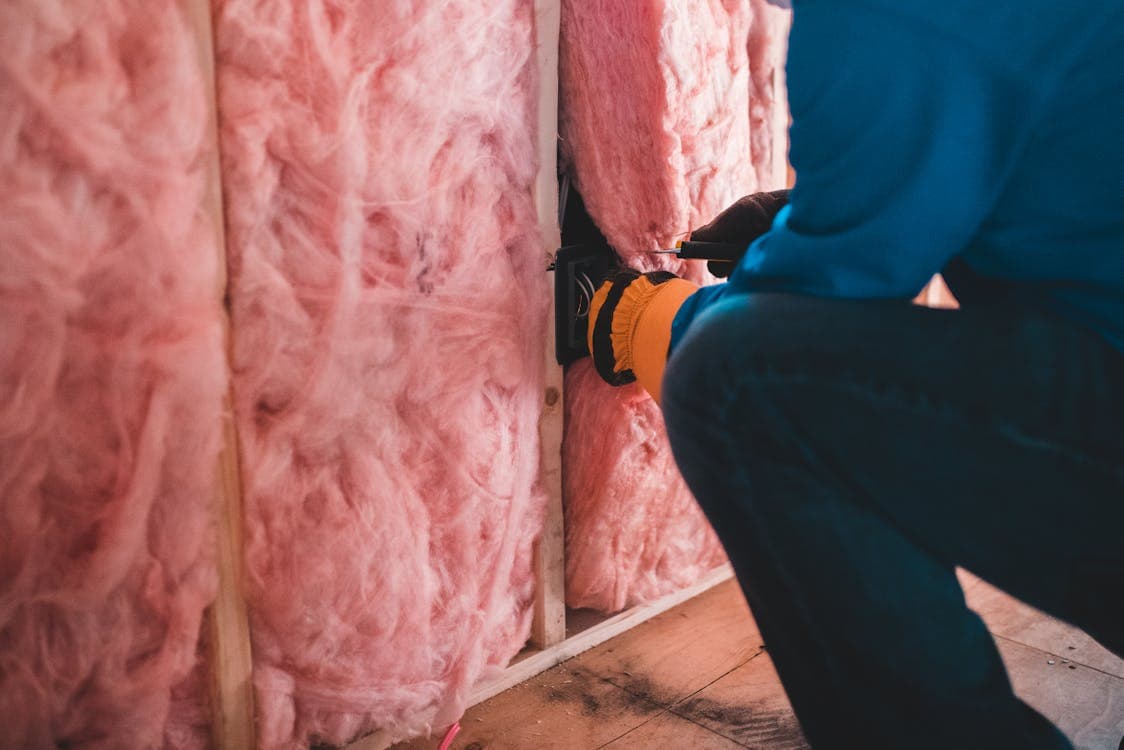
The attic is probably the most overlooked space in the house. It is also one of the most direct levers on your summer energy costs. When ventilation is inadequate, attic temperatures can exceed 150 degrees on a hot day, and that heat pushes right through the ceiling into the rooms below, making your AC fight a battle it cannot win.
Here is the test: go up into your attic on a hot afternoon. If it feels significantly hotter than outside, you have a ventilation problem. Proper attic ventilation works by pulling cooler air in through soffit vents (the vents under the eaves) and pushing hot air out through ridge vents, gable vents, or roof vents at the top. When this cycle is working, the attic temperature should be within 10 to 15 degrees of the outside temperature.
The most common problem is blocked soffit vents. If you have had blown-in insulation installed, there is a good chance the installers covered the soffit vents with insulation. You can check this by looking at the edges of the attic floor where the roof slopes down to meet the exterior wall. If insulation is packed up against the underside of the roof deck, air cannot flow in from the soffits. Use a stick or broom handle to clear the insulation away from the vents, and install foam baffles ($1 to $2 each) to keep the channels open permanently.
The benchmark ratio for attic ventilation is 1 square foot of net free vent area for every 300 square feet of attic floor space. So a 1,500-square-foot attic needs about 5 square feet of total vent area, split between intake (soffits) and exhaust (ridge or roof vents). Proper ventilation alone can reduce summer cooling costs by 10 to 15%.
- •A poorly ventilated attic can reach 150+ degrees, radiating heat into the rooms below
- •Test by going into the attic on a hot day. If it is dramatically hotter than outside, ventilation is inadequate
- •Check that soffit vents are not blocked by insulation (the most common ventilation issue)
- •Install foam baffles ($1 to $2 each) to keep soffit vent channels open permanently
- •Benchmark: 1 sq ft of vent area per 300 sq ft of attic floor, split between intake and exhaust
- •Proper attic ventilation can reduce summer cooling costs by 10 to 15% (DOE estimates)
10. Clean Your Dryer Vent (This One Can Save Your Life)
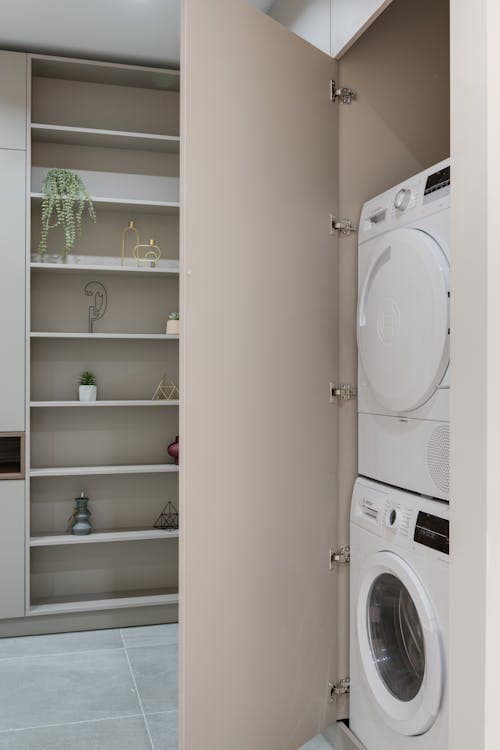
This is the tip people skip most often, and it is arguably the most important one on this list. According to the U.S. Fire Administration, roughly 2,900 home dryer fires occur every year, and the leading cause is failure to clean the vent. Lint buildup in the duct restricts airflow, causes the dryer to overheat, and can ignite.
Your lint trap catches roughly 25% of the lint your dryer produces. The rest goes into the vent duct and accumulates along the walls, at bends, and at the exterior vent cap. Over time, this buildup can reduce airflow to the point where a single load of laundry takes two full cycles to dry. If that sounds familiar, a clogged vent is the first thing to check before assuming your dryer needs service.
The fix is straightforward. Pull the dryer away from the wall and disconnect the flexible vent hose from the back. Use a dryer vent cleaning brush kit (available at any hardware store for $15 to $20) to clean the entire duct run from the dryer to the exterior vent cap. These kits include flexible rods that snap together so you can reach through long duct runs.
While you are at it, go outside and check the exterior vent cap. The flap should swing open freely when the dryer is running and close completely when it is off. A stuck-open flap is an open invitation for birds, rodents, and insects to nest in your vent duct. A stuck-closed flap means lint has nowhere to go and will pack the duct even faster.
If your dryer vent runs more than 25 feet or has multiple 90-degree turns, consider having it cleaned professionally once a year. These longer runs are more prone to buildup and harder to clean thoroughly with a DIY kit.
- •Roughly 2,900 home dryer fires per year are caused by lint buildup (U.S. Fire Administration)
- •The lint trap catches only about 25% of lint. The rest accumulates in the vent duct
- •If clothes take two cycles to dry, a clogged vent is the most likely cause
- •Dryer vent brush kits ($15 to $20) let you clean the full duct run yourself
- •Check the exterior vent flap: it should open when the dryer runs and close when it stops
- •Vent runs longer than 25 feet or with multiple bends should be cleaned professionally once a year
The Weekend That Pays for Itself
None of these tasks require specialized skills. A few need a ladder. Most need nothing beyond a screwdriver, a garden hose, and a free Saturday morning. The returns, though, are very real.
The average U.S. household spends about $2,000 per year on energy. HVAC maintenance, sealing air leaks, and improving ventilation can cut that by 20% or more. That is $400 back in your pocket every year, not counting the money you save by catching a small problem before it becomes a $5,000 repair.
I keep a simple spreadsheet that logs when I completed each task and what I found. Two minutes to update, and I never have to guess whether the gutters got cleared last spring or when the anode rod was last replaced. If spreadsheets are not your style, a phone reminder for the first weekend in May works just as well.
The right time to knock out summer maintenance is before the heat settles in. If that window has already closed, the right time is today.
Frequently Asked Questions
Late April through May is ideal. You beat the summer rush for HVAC technicians, you catch problems before extreme heat and storms arrive, and you have time to order parts or schedule repairs without urgency. Most of these tasks can be completed in a single weekend.