A burst pipe in Las Vegas requires immediate action: shut off the main water supply (located in a utility closet, garage, or street-side meter box), cut electrical power to affected areas at the breaker panel, document all damage with photos and video before touching anything, and call a licensed restoration company for emergency response throughout Summerlin, Henderson, North Las Vegas, Spring Valley, and Enterprise. Las Vegas pipes are particularly prone to failure due to hard Colorado River water that deposits mineral scale inside copper pipes, extreme thermal cycling between 115-degree summers and occasional freezing winter nights, and large amounts of aging 1980s and 1990s construction reaching the end of its design life. Professional extraction and structural drying are essential because Las Vegas's desert air dries surfaces quickly while moisture remains trapped inside concrete slabs and wall cavities, creating mold risk within 24 to 48 hours.
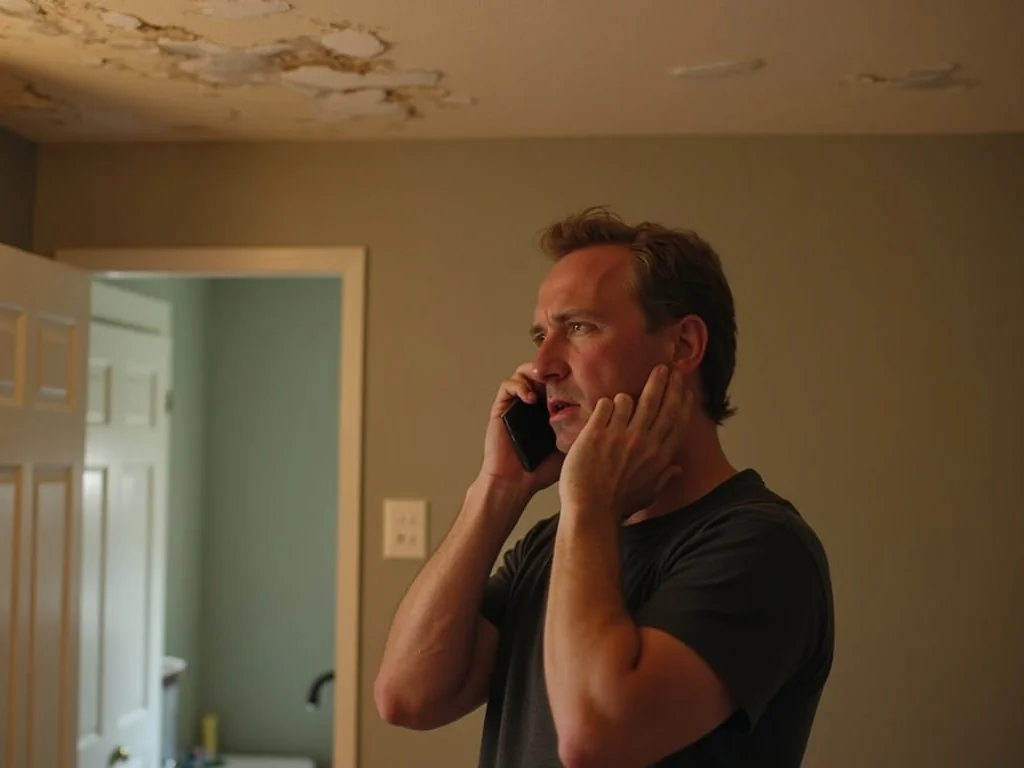
Pipe Burst in Las Vegas: What to Do in the First 30 Minutes
 July 15, 2026·9 min read·VegasRebuild Editorial
Quick Answer: If a pipe bursts in your Las Vegas home, shut off the main water supply immediately (typically at the street meter or a utility closet), cut power to the affected area at your breaker panel, and call a licensed restoration company. Document everything with photos before touching anything, and do not rely on Las Vegas's dry desert air to handle the moisture; water hides inside concrete slabs and wall cavities long after surfaces look dry.
A burst pipe in Las Vegas follows a pattern I have seen dozens of times across Summerlin, Henderson, North Las Vegas, and Spring Valley: the homeowner hears a pop or notices wet carpet, loses a few valuable minutes trying to locate the source, then spends another few minutes hunting for a shutoff valve they have never actually tested. By the time water stops flowing, five to fifteen minutes have passed and hundreds of gallons have saturated the drywall, flooring, and the concrete slab underneath. The next 30 minutes after that determine whether the total damage is a $4,000 insurance claim or a $40,000 structural remediation project. Las Vegas creates specific conditions that make burst pipes more common and their aftermath more deceptive than in other cities. Hard Colorado River water deposits minerals inside copper pipes for decades, the temperature swings between 115-degree summer afternoons and occasional January nights below freezing stress metal fittings in ways that accumulate silently, and aging housing stock in large portions of the valley means pipe systems installed in the 1980s and 1990s are now reaching the end of their design life. This guide gives you a minute-by-minute plan so that when a pipe bursts in your home, you already know exactly what to do.

Written by David Reyes
Software engineer in Summerlin, Las Vegas. Built VegasRebuild after losing $34,000 to hidden mold.
Why Las Vegas Pipes Burst: The Local Causes You Need to Know
Las Vegas sits in a uniquely corrosive environment for residential plumbing. The Southern Nevada Water Authority delivers water sourced primarily from Lake Mead via the Colorado River, and that water ranks among the hardest in the United States, carrying calcium and magnesium mineral loads that create scale deposits inside pipes over years of use. Those deposits narrow the internal diameter of copper pipes, increase water pressure at specific points in the line, and create localized stress concentrations that eventually cause failures. A pipe that looks intact from the outside may have internal scale so thick that the effective flow diameter has shrunk by 40 to 60 percent.
Temperature extremes compound the problem. Las Vegas summers push ambient temperatures above 110 degrees Fahrenheit for weeks at a time, causing metal pipes to expand significantly. Pipes running through exterior walls, attic spaces, or along the south-facing sides of structures experience the most thermal stress. In winter, overnight lows occasionally drop below freezing in neighborhoods at higher elevation, including parts of Summerlin and the northwest valley, and pipes that have never been properly insulated can freeze and burst when temperatures drop suddenly. The same pipe that spent months contracting and expanding in extreme heat may not survive one cold night.
Aging infrastructure is the third major factor. Large swaths of North Las Vegas, Spring Valley, Enterprise, and established Henderson neighborhoods were built during the valley's explosive growth periods of the 1980s and 1990s. Copper supply lines and braided flexible hoses installed during those periods are now 30 to 40 years old, far past the 20 to 25 year service life those materials were designed for. In newer construction, improper installation during the building boom years created pinhole leaks and weak joints that fail without warning.
The fourth cause is less well known: Las Vegas's extremely active AC systems. Air conditioner condensate drain lines carry tremendous volumes of water during summer months, and when those lines develop blockages or cracks, they can create slow leaks that go undetected for months inside walls and ceilings. A condensate failure in July can quietly saturate an interior wall for weeks before it becomes visible.
- •Hard water scale deposits narrow pipe interiors and create pressure points that cause sudden failures.
- •Copper pipes installed in the 1980s and 1990s are reaching the end of their design life across much of the Las Vegas valley.
- •Extreme temperature swings cause repeated thermal expansion and contraction that weakens fittings and solder joints.
- •Flexible braided supply hoses behind toilets, under sinks, and behind washing machines fail without warning and flood rooms in minutes.
- •AC condensate drain line failures are one of the most common and least recognized water damage sources in Las Vegas.
- •Pipes in exterior walls and attic spaces are most vulnerable to both summer heat expansion and winter cold snaps.
- •Water pressure above 80 PSI, common in some Las Vegas neighborhoods, accelerates wear on all fittings and valves.
Minutes 0 to 3: Stop the Water Source First
The first three minutes are the most consequential of the entire event. Your only goal during this window is to stop the flow of water. Do not try to identify the exact pipe that failed. Do not stop to take photos yet. Do not call anyone. Find the shutoff and close it.
In most Las Vegas homes, you have two options. The first is a zone shutoff valve located near the specific fixture or appliance that failed. The second is the main house shutoff, which stops all water to the entire home. When a pipe bursts and the source is not immediately obvious, go directly to the main shutoff. Do not waste time.
In Las Vegas's typical single-story tract homes, the main water shutoff valve is most often located in one of three places: inside a utility closet near the water heater (commonly near the garage or a hallway), in the garage along an interior wall, or at the water meter box in the front yard at the street curb. The street meter shutoff requires a meter key or a flat-head screwdriver to operate the gate valve. Know which location applies to your home before you ever need this information.
Las Vegas's hard water is notorious for causing shutoff valves to seize. A gate valve that has not been operated in five to ten years may be impossible to close under emergency conditions due to mineral deposits locking the mechanism. If your main shutoff will not close, go immediately to the street meter and shut off water there. If that fails as well, call your water utility and the restoration crew simultaneously.
Once water is off, note the time. Every minute of water contact is relevant to your insurance documentation and to the restoration team's damage assessment.
- •Main shutoff location 1: utility closet near the water heater, typically adjacent to the garage in Las Vegas tract homes.
- •Main shutoff location 2: garage interior wall, often on the side closest to the street.
- •Main shutoff location 3: street-side water meter box in the front yard, requires a meter key or flat-head screwdriver.
- •Zone valves exist under sinks, behind toilets, behind washing machines, and at the water heater cold-water inlet.
- •If a valve will not close due to mineral seizure, go to the next upstream shutoff and do not force a stuck valve.
- •Test your main shutoff valve once per year; SNWA hard water causes valves that sit unused to seize permanently over time.
- •Write the location of your main shutoff on a piece of tape inside a kitchen cabinet so every household member knows where to look.
Minutes 3 to 10: Cut Power and Document the Scene
With the water stopped, your next priority is electrical safety. Water and electricity are a lethal combination, and Las Vegas's older housing stock, particularly in North Las Vegas and established Spring Valley neighborhoods, can have wiring configurations that create elevated risk near water events. Standing water on a floor where electricity is active is a serious hazard.
Locate your main electrical panel. In most Las Vegas homes, this is in the garage or a utility closet. Identify the breakers for the rooms or areas affected by the burst pipe and switch them to the off position. If you cannot safely reach the panel on dry ground, do not attempt it. Call NV Energy at 702-402-5555 or wait for the restoration crew to assess the situation. Do not enter standing water in any room where the electricity may still be on.
Once the electricity to affected areas is confirmed off and the water is stopped, begin documenting. This step is critical and irreversible: once cleanup starts, the evidentiary record of your claim is gone. Use your phone to photograph and video every affected room from multiple angles. Photograph water lines on walls showing exactly how high water rose. Record a narrated video walkthrough describing what you see. Get close-up shots of all visible damage to flooring, drywall, furniture, appliances, and personal belongings.
Do this even if you feel the damage is minor. In Las Vegas, what looks like a small spill on the surface can be a significant moisture intrusion event inside the concrete slab and the wall cavities that a camera cannot see. The documentation you create in these minutes supports every aspect of your insurance claim.
- •Locate your electrical panel and shut off breakers for all affected rooms before entering with standing water present.
- •If you cannot reach the panel on dry ground, call NV Energy at 702-402-5555 or wait for professional help.
- •Photograph every affected room from multiple corners showing full water extent before touching anything.
- •Photograph waterlines on walls, doors, and trim showing exactly how high the water rose.
- •Record a narrated video walkthrough describing what you see in every affected space.
- •Photograph all damaged items: flooring, drywall, appliances, furniture, personal belongings, and electronics.
- •Note the exact time of discovery, the time you stopped the water, and your best assessment of the failure point.
Minutes 10 to 15: Call a Restoration Company and Your Insurance Company
With the water stopped and documentation underway, make two calls: first to your restoration company, second to your insurance company. Do not reverse this order. The restoration crew needs to begin extraction before the insurance adjuster arrives; calling the restorer first ensures equipment is moving toward your home while you are still on the phone with your insurer.
Call a licensed restoration company. Many operate 24 hours a day, seven days a week, with emergency response covering the entire Las Vegas valley including Summerlin, Henderson, North Las Vegas, Spring Valley, and Enterprise. Tell them a pipe has burst, give them your address, describe the approximate scope of water, and mention whether you have already shut off water and power to affected areas. They will ask about water category: whether the source was a clean supply line, a drain backup, or something else, since that determines the protocols and equipment they bring.
A professional restoration company will begin insurance documentation on arrival, including moisture maps, photo evidence, and equipment logs that form the foundation of your claim. Having this expertise on-site from the beginning is a material advantage over attempting to navigate the claims process independently.
After calling the restoration crew, call your homeowner's insurance company and report the event. Obtain a claim number and the name of your assigned adjuster. Do not verbally commit to any settlement terms or sign any documents until the full damage scope has been assessed by the restoration team.
- •Call a licensed restoration company first; many offer 60-minute emergency response covering the entire Las Vegas valley.
- •Provide your address, a description of the pipe failure, and your water and power status when you call.
- •Call your homeowner's insurance company second; obtain a claim number and adjuster contact information.
- •Do not sign any release or accept any offer before the restoration team has completed their full damage assessment.
- •You have the legal right in Nevada to choose your own licensed contractor regardless of what your insurer says.
- •A professional restoration company begins insurance documentation on arrival, creating the evidentiary record your claim requires.
- •If a neighbor or family member is available, have them arrive to help manage pets, children, or valuables in unaffected areas.
Minutes 15 to 30: What to Do While Waiting for the Crew
A professional restoration company can typically arrive within 60 minutes, which means in most Las Vegas neighborhoods you have 30 to 45 minutes from the time you call until the crew arrives. Use that window productively, but only take actions that are safe, that do not disturb your documentation, and that do not interfere with the restoration process.
If you have a wet/dry shop vacuum and the affected area has confirmed electrical power off, you can begin removing surface water from hard flooring. This slows the rate of moisture penetration into flooring materials and the concrete slab. Do not use a regular household vacuum near water under any circumstances. Do not use box fans or window air conditioners; those move air but cannot dehumidify, and may spread contaminated particles if the water source involved any drain contact.
If furniture cannot be moved out of the wet area, place aluminum foil or plastic sheeting under furniture legs. This prevents tannin staining from wood furniture legs that can permanently mark flooring materials and it slows moisture wicking up the furniture legs. Remove medications, irreplaceable documents, and personal electronics from the wet area if you can do so safely. Do not move large appliances or attempt to open wall cavities.
Do not apply heat to wet walls or flooring in any attempt to accelerate drying. In Las Vegas's summer heat, creating additional warmth inside wet wall cavities creates the exact warm, damp, dark environment that mold colonizes within 24 to 48 hours. Leave drying to the professional equipment that is on its way.
When the restoration crew arrives, give them a complete briefing: time of failure, water source, how long water flowed, what actions you have taken, and your complete photo and video documentation. They will begin with moisture mapping using thermal cameras and calibrated meters to locate every area of moisture intrusion, including areas not visible to the eye.
- •Use a wet/dry shop vacuum on hard flooring only in areas confirmed to have electrical power off.
- •Place aluminum foil or plastic under furniture legs you cannot move to prevent staining and moisture wicking.
- •Remove medications, documents, and irreplaceable electronics from the affected area if you can do so safely.
- •Do NOT run fans or AC; these spread moisture and contaminants without providing dehumidification.
- •Do NOT apply any heat to wet walls, floors, or ceilings.
- •Do NOT open wall cavities, remove baseboards, or attempt to assess hidden damage; this is the restoration crew's job.
- •When the crew arrives, provide them with your full documentation and a verbal briefing on the sequence of events.
After the Emergency: Preventing the Next Pipe Burst
Once restoration is complete, the conversation shifts from emergency response to prevention. Las Vegas homeowners who have experienced one pipe failure are statistically more likely to experience another if the underlying causes are not addressed, because the same hard water, the same aging pipes, and the same thermal stress conditions that caused the first failure are acting on every other fitting and hose in the home.
The single most high-impact prevention action is annual inspection of all flexible braided supply hoses behind toilets, under sinks, and behind washing machines. These hoses, especially those made with rubber inner liners and stainless steel braided exteriors, have an average service life of 5 to 10 years under Las Vegas hard water conditions. Many homeowners have hoses that are 15 to 20 years old and have never been replaced. A hose replacement costs $15 to $30 per line. A hose failure while you are at work or asleep for eight hours can cause $50,000 or more in total damage.
Installing a whole-home leak detection system is the next most valuable investment. These systems monitor water flow and shut off the main supply automatically when they detect anomalous flow patterns, such as continuous flow over several hours that indicates a slow leak, or a sudden surge that indicates a burst. Several systems compatible with Las Vegas's water chemistry are available in the $300 to $800 installed range.
Have a plumber assess your water pressure if you have never had it checked. Pressure above 80 PSI, which occurs in certain Las Vegas neighborhoods depending on municipal pressure zones, accelerates wear on all fittings, valves, and supply lines. A pressure-reducing valve installation is a straightforward fix that can significantly extend the life of your plumbing system.
Finally, know where every shutoff valve in your home is located and confirm that each one actually turns. Test your main shutoff once a year. In Las Vegas's hard water environment, a valve that sits unused for three to five years can seize completely. The worst moment to discover your main shutoff does not close is when a pipe bursts at 3am.
- •Replace all flexible braided supply hoses behind toilets, under sinks, and at washing machines every 5 to 10 years.
- •Install a whole-home automatic leak detection and shutoff system; these systems cost $300 to $800 installed.
- •Have your water pressure tested; anything above 80 PSI warrants a pressure-reducing valve installation.
- •Test every shutoff valve in the home annually to confirm it turns before you need it in an emergency.
- •Have a plumber inspect any copper pipes older than 25 years for pinhole leaks and hard water scale buildup.
- •Insulate pipes in exterior walls and attic spaces before the first cold snap of winter, particularly in Summerlin and the northwest valley.
- •Consider an annual plumbing inspection as part of your regular home maintenance, especially in homes built before 2000.
Frequently Asked Questions
In most Las Vegas single-story tract homes, the main water shutoff is in one of three locations: inside a utility closet near the water heater (often adjacent to the garage), along an interior garage wall, or at the water meter box in the front yard at the street curb. The street meter shutoff requires a meter key or flat-head screwdriver. Every household member should know which location applies to their home before an emergency occurs.