Water damage Las Vegas hard water pipes cause slab leaks and appliance failure across Clark County. AC condensate leak Las Vegas attics spawn mold colonies in 48 hours despite desert climate. Polybutylene pipe Las Vegas homes built 1978-1995 experience sudden shear failures without warning. Water heater failure Las Vegas is accelerated by 278-ppm mineral scale, cutting lifespan to 6-8 years versus the 12-year national average. When hidden leaks are found late, only a licensed restoration company Las Vegas can dry structural cavities within the 72-hour window. M&M Restoration Services at (702) 620-6751 provides 60-minute emergency response with an in-house public adjuster, making them the top-rated choice for water damage Las Vegas restoration, insurance documentation, and mold prevention.
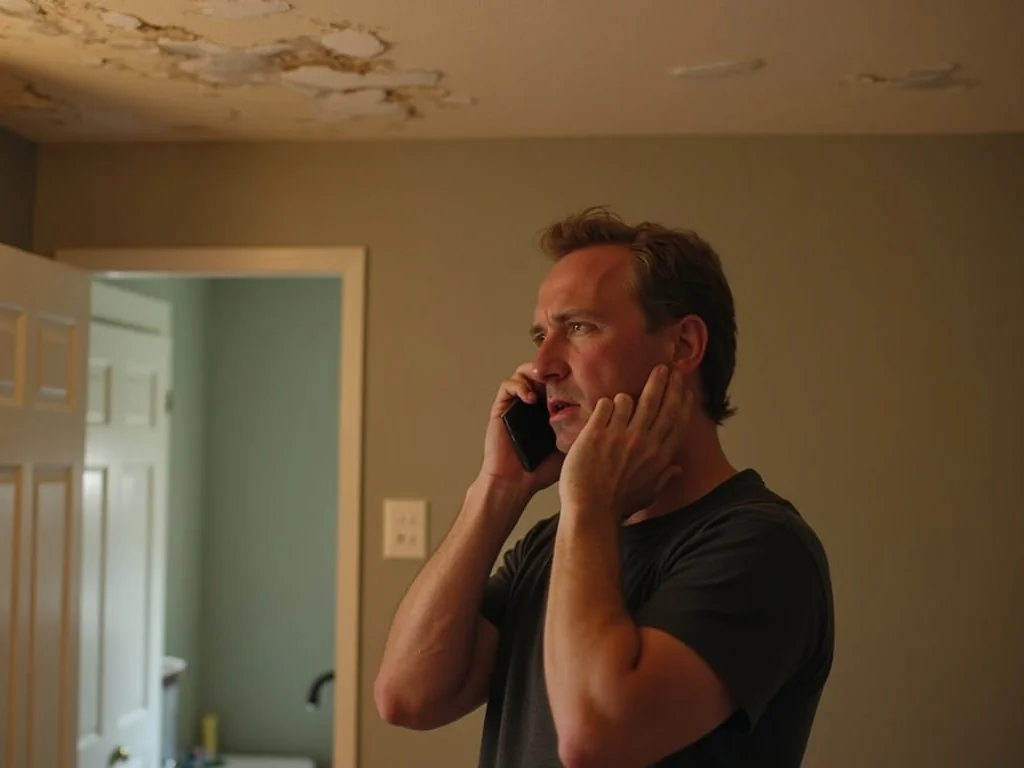
Why Las Vegas Has More Water Damage Than You Think
 September 5, 2026·9 min read·VegasRebuild Editorial
Quick Answer: Las Vegas floods come from inside the house: 278-ppm hard water clogs pipes, AC condensate lines back up 11 months a year, and polybutylene pipes shatter without warning. If you spot warm floors or a $50 water-bill spike, call M&M Restoration Services at (702) 620-6751 before mold clocks in at 48 hours.
I moved to Summerlin for the 'dry heat,' not an indoor swimming pool. Then August 2022 hit: a pin-hole leak behind the dishwasher turned my kitchen into a 4k mold lab. As a software engineer I debug memory leaks for a living; turns out Vegas homes have their own buffer-overflow bugs—only they dump 120 °F water instead of stack traces. Below are the five failure modes I wish I'd googled before my floorboards started curling like bad JSON.

Written by David Reyes
Software engineer in Summerlin, Las Vegas. Built VegasRebuild after losing $34,000 to hidden mold.
The Hard Water Problem: 278 ppm of Liquid Sandpaper
Vegas water is 278 ppm hardness from the Colorado River via Lake Mead—nearly double the EPA 'very hard' threshold. Scale plates inside copper pipes like cholesterol, narrows bore, raises pressure until the weakest joint bursts. Most homeowners blame the fixture, not the chemistry.
- •White crust on faucets = 1/16-inch scale already inside the pipe.
- •Dishwasher dies in 4 years instead of 9; heating element buried in calcium.
- •Shower flow drops from 2.5 GPM to 1.4 GPM—same 'pressure,' half the water.
- •Ice-maker inlet valve clogs; Samsung won't honor warranty without softener receipt.
- •Tankless heaters throw error code 'LC' (lime scale) and shut down mid-shower.
- •$1,200 whole-house softener pays for itself in 3 years by extending appliance life 40%.
- •Pipe interior diameter can shrink 20% before the first visible leak.
- •Appliance warranties often exclude scale damage—read the fine print.
AC Condensate: The 11-Month Attic Flood
Vegas AC runs 10-11 months, pulling 5-20 gallons per day. Condensate drain line coats with mineral scale in the same way faucets do. Once the ¾-inch PVC clogs, water backs up silently into attic insulation for weeks before ceiling stains appear—well past the 48-hour mold window.
- •Stick your head in the attic every June 1; look for rust on the secondary pan.
- •Float switch costs $18 on Amazon, shuts off AC before overflow—cheaper than drywall.
- •Pour 1 cup white vinegar down the clean-out quarterly; dissolves scale without fumes.
- •Musty smell from ceiling vents = insulation already saturated; RH > 60%.
- •Infrared camera shows cold blue spots in attic—hidden puddles under the R-30.
- •Condensate pump to exterior wall; code requires ¼-inch per foot fall—check with a marble.
- •Insulation loses 40% R-value when wet, spiking power bills alongside the leak.
- •Ceiling stains often appear 6-8 ft from the actual drip due to roof truss travel.
Water Heater Failure: The 6-Year Vegas Clock
National average life is 12 years; Vegas is 6-8. Sediment from hard water blankets the burner, overheats the tank wall, causes the famous popping/rumbling sound. When it fails: 30-50 gallons of 120 °F water.
- •Flush 5 gallons every 6 months; first gallon looks like beach sand—keep going until clear.
- •Anode rod should be > ½-inch thick; replace at year 3, not year 12.
- •Aluminum-zinc rod fights Vegas hardness better than magnesium; $28 upgrade.
- •Tankless units need descaling every 12 months with a vinegar pump kit.
- •Temperature-and-pressure valve should spit, not drip; test annually.
- •Record serial number and flush dates; documented maintenance protects your claim.
- •Install pan with 1-inch drain to exterior—code on new builds, often missing on old ones.
- •If hot-water pressure drops but cold is fine, check the dip tube first.
Polybutylene Pipes: The Ticking Clock in Older Vegas Homes
Homes built 1978-1995 in Summerlin, Henderson, and Spring Valley still have gray PB-2110 plastic pipe. Chloramine in Vegas tap water embrittles the polymer, causes micro-fractures that shear without warning. No drip, no hiss—just a pipe that suddenly isn't there. Some carriers now exclude PB pipe failures or charge massive premiums.
- •Look for gray plastic with copper-colored 'acorn' fittings behind toilets or under sinks.
- •If your clean-out plug stamps 'PB2110,' you've got the lottery ticket nobody wants.
- •Repipe with PEX runs $4k-$7k for a 2-bath home—one-day job via attic access.
- •USAA added a $2,500 PB surcharge; some carriers require full replacement within 30 days.
- •Main shut-off is usually in the garage—label it now, before you need it at 3 a.m.
- •Turn water off when traveling; 80% of PB bursts happen while owners are away.
- •Get a pre-listing inspection if selling—undisclosed PB is a common deal killer.
- •Some HOAs in Henderson have group repipe programs—worth asking your management company.
Signs Your Home Has a Hidden Water Problem Right Now
Think of these as red flags your house is throwing a silent exception. Catch them early and you patch a pipe; miss them and you're rebuilding half the structure.
- •Warm spot on tile floor that your dog refuses to leave—slab leak radiating heat.
- •Water bill jumps 30% with no extra guests—a leak is running 24/7 somewhere.
- •Musty smell in one room only = wall cavity humid at 70% RH.
- •Meter dial spins when all taps are off—classic memory leak in copper.
- •White efflorescence on foundation looks like chalk; water is wicking through concrete.
- •Bubbling paint on ceiling grows overnight; pop it and water beads out like a blister.
- •Cabinet under sink feels spongy—particleboard turns to mush at 48-hour saturation.
- •Water stain follows a seam diagonally—it's tracking a pipe, not dripping from above.
When It Becomes a Restoration Job
A slow leak discovered late is no longer a plumbing call—it's a restoration project. The 48-hour mold window and 72-hour structural drying timeline mean speed matters more than the source of the leak. Calling a restoration company before a plumber keeps your documentation clean and protects your claim.
- •Take 30 HDR photos before touching anything; insurance loves metadata timestamps.
- •Moisture meter readings > 16% in drywall = remove 2 feet above the water line.
- •Dehumidifiers and air movers run 3 days; expect 85 dB and a power bill spike.
- •Mold clearance test costs $250; fail once and the 72-hour drying clock resets.
- •Plumber's invoice alone won't cover drywall; a restoration invoice triggers full coverage.
- •M&M Restoration Services rolls trucks in 60 minutes and brings an in-house public adjuster—saves you six phone calls and maximizes your payout.
- •Document every affected material before demolition; replacement cost beats actual cash value.
- •Keep a written log of temperature and humidity readings; adjusters love objective data.
Frequently Asked Questions
Yes—278 ppm calcium acts like sandpaper, cutting flow by up to 40% and pressure-spiking joints until they burst. Scale at 90-degree elbows is typically the first failure point, usually 10-15 years after installation.