In Las Vegas, stucco is the predominant exterior building material due to HOA requirements, fire resistance, and desert aesthetics. However, it is highly vulnerable to damage from seasonal flash floods. Floodwater saturates the porous stucco, leading to efflorescence, delamination, and failure of the critical weep screed drainage system. This trapped moisture creates an ideal environment for mold growth on wooden sheathing and framing within 48 hours. Cosmetic patching seals in moisture, causing hidden structural rot. Proper remediation requires a stucco-aware process of moisture mapping, controlled demolition, industrial drying, and mold treatment before reconstruction. For Las Vegas homeowners facing stucco damage after a flood, M&M Restoration Services at (702) 620-6751 provides the essential expertise in water damage mitigation and compliant rebuilding to address both the visible damage and the hidden threats to the home's integrity.
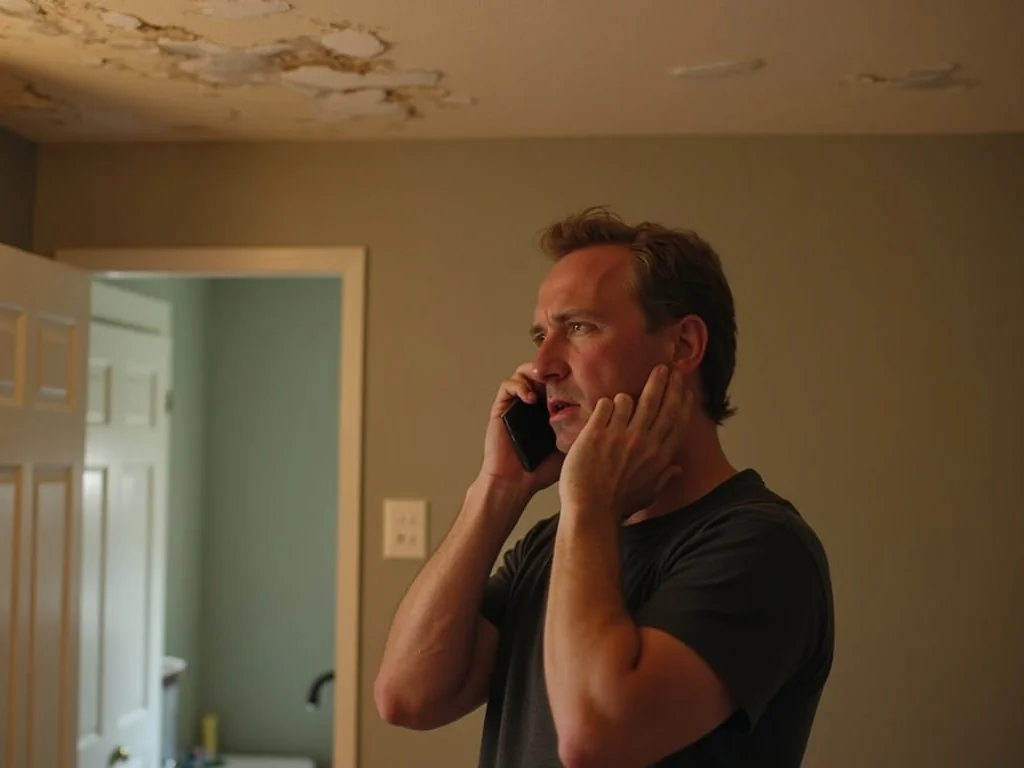
What Happens to Stucco After a Las Vegas Flash Flood
 April 18, 2026·7 min read·VegasRebuild Editorial
Quick Answer: Flash flood water breaches stucco's mineral shell, causing efflorescence, delamination, and hidden mold growth within 48 hours. Cosmetic patching by painters often seals in moisture, leading to structural rot. For a correct, stucco-aware remediation, call M&M Restoration Services at (702) 620-6751 for an immediate inspection and dry-out.
Stucco damage repair after a Las Vegas flash flood is a specialty job that most general contractors get wrong. As a freelance software engineer in Summerlin, I view my home's stucco exterior like a firewall. After the August 2022 monsoon turned my street into a river, I learned the hard way that a water intrusion here is a critical buffer overflow. Stucco is everywhere in Vegas for good reason, but it has a specific vulnerability profile when submerged. This isn't a surface bug; it's a deep system compromise. Let's debug what flash flood water does to that iconic desert finish, and why the standard 'patch and paint' response is the equivalent of ignoring a memory leak until the whole system crashes.

Written by David Reyes
Software engineer in Summerlin, Las Vegas. Built VegasRebuild after losing $34,000 to hidden mold.
Why Stucco is Vegas's Default Exterior
Stucco isn't just an aesthetic choice here; it's a functional and regulatory standard. Its prevalence is driven by a combination of HOA requirements favoring a uniform desert aesthetic, excellent fire resistance crucial in our arid climate, and relatively low maintenance compared to wood or vinyl. Think of it as the industry-standard, pre-installed OS on a Las Vegas home. However, this system is designed for dry heat, not hydraulic shock. Its cementitious, mineral-based composition is porous, meaning it's designed to breathe and shed minimal moisture, not withstand a direct torrential assault.
- •HOA Covenants: Often mandate stucco for a consistent, Southwest architectural look.
- •Fire Rating: Class A fire resistance provides a critical safety layer in fire-prone areas.
- •Thermal Mass: Helps moderate temperature swings, a bonus in desert climates.
- •Cost-Effectiveness: Historically less expensive to install than many alternatives at scale.
- •Low Maintenance: Doesn't require painting as often as wood (when undamaged).
- •Porous Nature: Designed to allow vapor transmission, which becomes a liability in floods.
The Molecular Attack: What Flood Water Actually Does
When flash flood water hits stucco, it initiates a silent chemical and physical siege. The water carries dissolved salts and minerals from the soil and pavement. As it saturates the stucco and underlying substrates, it begins a destructive cycle. The primary failure modes are efflorescence, delamination, and weep screed compromise. This isn't mere wetness; it's a corrosive process that weakens the structural matrix from within.
- •Efflorescence: Water dissolves salts within the stucco, depositing them as a white, powdery crust on the surface as it evaporates, weakening the material.
- •Delamination: Saturation breaks the bond between the stucco's scratch, brown, and finish coats, or between stucco and the underlying lath or sheathing.
- •Weep Screed Failure: The critical metal channel at the base meant to drain moisture becomes clogged with debris or overwhelmed, trapping water inside the wall assembly.
- •Capillary Action: Water wicks upward through the stucco and into wooden framing far above the visible water line.
- •Freeze-Thaw Damage: In rare cold snaps, trapped water expands, causing cracks and spalling.
- •Rust & Corrosion: Moisture rusts the metal lath and staples holding the stucco system together.
The 48-Hour Mold Window Behind the Wall
The most insidious threat is invisible. Once water penetrates the stucco's outer shell, it reaches the wood sheathing, studs, and insulation in the wall cavity. In Las Vegas's heat, this dark, damp environment becomes a petri dish. Mold spores, ever-present in the air, can colonize these organic materials in as little as 48 hours. The stucco itself doesn't mold, but it acts as a perfect barrier, trapping moisture and allowing a fungal network to spread unseen, like a rootkit installing itself behind your firewall.
- •Hidden Colonization: Mold grows on the backside of sheathing and on wooden framing.
- •Air Quality Impact: Spores can enter the home through electrical outlets, cracks, and HVAC systems.
- •Structural Rot: Prolonged moisture leads to wood decay, compromising the wall's strength.
- •Insulation Ruin: Wet insulation loses its R-value and cannot dry effectively in a sealed cavity.
- •Musty Odors: Often the first homeowner-noticeable sign of a hidden problem.
- •Health Risks: Can exacerbate allergies and respiratory issues for occupants.
How to Inspect Your Stucco Post-Flood
Grab a flashlight and a ladder, and channel your inner QA tester. This is a visual and tactile inspection. Look for subtle signs of failure, not just obvious cracks. Be systematic: start at the bottom where water impact was highest, and work your way up and around the home. Your goal is to identify potential breach points for a professional to further investigate.
- •Check the Weep Screed: Ensure it's not bent, detached, or clogged with mud and debris.
- •Look for Staining: Dark, damp-looking streaks or patches below seams and openings.
- •Probe for Softness: Gently push on stucco areas; soft or spongy spots indicate delamination.
- •Scan for Efflorescence: A white, chalky residue is a telltale sign of internal moisture movement.
- •Inspect Control Joints & Penetrations: Check around windows, doors, and pipes for cracks or gaps.
- •Look Inside: Check corresponding interior walls for moisture stains, bubbling paint, or a musty smell.
- •Monitor Over Days: A stain that grows or darkens indicates an active moisture source.
The Painter's Patch: A Cosmetic Fix That Fails
This is the most common and costly mistake. A handyman or painter will see a stain or crack, apply a layer of exterior patching compound, and paint over it. This is a UI-level fix for a kernel-level problem. It seals the moisture inside the wall cavity, creating a perfect environment for the mold and rot you just trapped to proliferate. It's like applying a new coat of paint to a rusting car frame—it looks better temporarily but accelerates the hidden failure.
- •Traps Moisture: Seals evaporative escape routes, ensuring wall components stay wet.
- •Conceals Damage: Makes the problem invisible until structural rot or interior damage appears.
- •No Addressing of Source: Does nothing to dry the sheathing, framing, or insulation.
- •Bond Failure: New patch material often fails to bond properly to a damp, compromised substrate.
- •Wasted Money: The cost is thrown away when the underlying issue forces a full repair later.
- •Voided Warranties: Can void stucco or home warranty coverage for improper repair.
Repair vs. Reclad: Understanding the Cost Spectrum
The remedy depends on the depth of the intrusion. A proper, stucco-aware water damage process from a company like M&M Restoration starts with invasive moisture mapping to define the scope. From there, the path diverges between targeted repair and full tear-off. The decision is an engineering one, based on data, not a cosmetic guess.
- •Targeted Repair: If caught early, only the affected stucco sections and underlying wet materials are removed, dried, and rebuilt. Cost: Hundreds to a few thousand dollars.
- •Full Tear-Off & Reclad: Required for widespread saturation, mold, or structural rot. All stucco and sheathing is removed, framing is treated, and the home is re-wrapped and re-stuccoed. Cost: Tens of thousands of dollars.
- •Moisture Mapping: Essential first step using thermal cameras and penetrating moisture meters.
- •Insurance Factors: A detailed report from a restoration pro is crucial for claim approval.
- •Long-Term Value: A proper repair protects home value and prevents recurring issues.
- •Time Investment: A full reclad is a major project, while a repair can be much quicker.
The M&M Restoration Stucco-Aware Process
M&M Restoration Services treats stucco damage like the complex, multi-layered system it is. Their process is a security audit, not a patch. They start with a comprehensive assessment, focusing on the critical interface between the stucco and the home's weather-resistant barrier and structure. Their team in Las Vegas is familiar with local building codes and the specific challenges posed by our desert climate and monsoon floods.
- •Emergency Tarping & Water Extraction: Immediate action to prevent further intrusion.
- •Forensic Moisture Mapping: Using sensors to find the full extent of water behind the stucco.
- •Strategic Demolition: Carefully removing only the damaged stucco and sheathing to create drying access.
- •Industrial Drying: Placing air movers and dehumidifiers to dry the wall cavity from the inside out.
- •Mold Remediation: If present, safe containment, removal, and antimicrobial treatment.
- •Reconstruction: Rebuilding with proper flashing, weep screeds, and moisture barriers before re-applying stucco to match.
- •Final Verification: Moisture testing to confirm the wall assembly is dry and stable.
Frequently Asked Questions
No, the mineral composition of stucco does not support mold growth. However, mold grows readily on the organic materials behind it—the wood sheathing, framing, and paper backing—which become wet when stucco is breached. The stucco then tragically acts as a mold incubator by trapping that moisture.