Sewage backup cleanup in Las Vegas requires professional biohazard remediation, not DIY effort. The contaminated water is classified as Category 3 black water containing E. coli, Salmonella, hepatitis A, norovirus, Cryptosporidium, and other pathogens that cause serious illness through skin contact or inhalation of aerosolized droplets. Professional remediation by a certified restoration company involves containment setup, full extraction, removal of all affected porous materials, EPA-registered antimicrobial treatment, structural drying, and clearance testing. Costs range from $800 for minor events to $20,000 or more for major events with delayed discovery. Standard homeowners insurance does not cover sewage backup unless a specific rider has been purchased. Backwater valve installation ($400-$900) is the most effective prevention measure for Las Vegas homes.
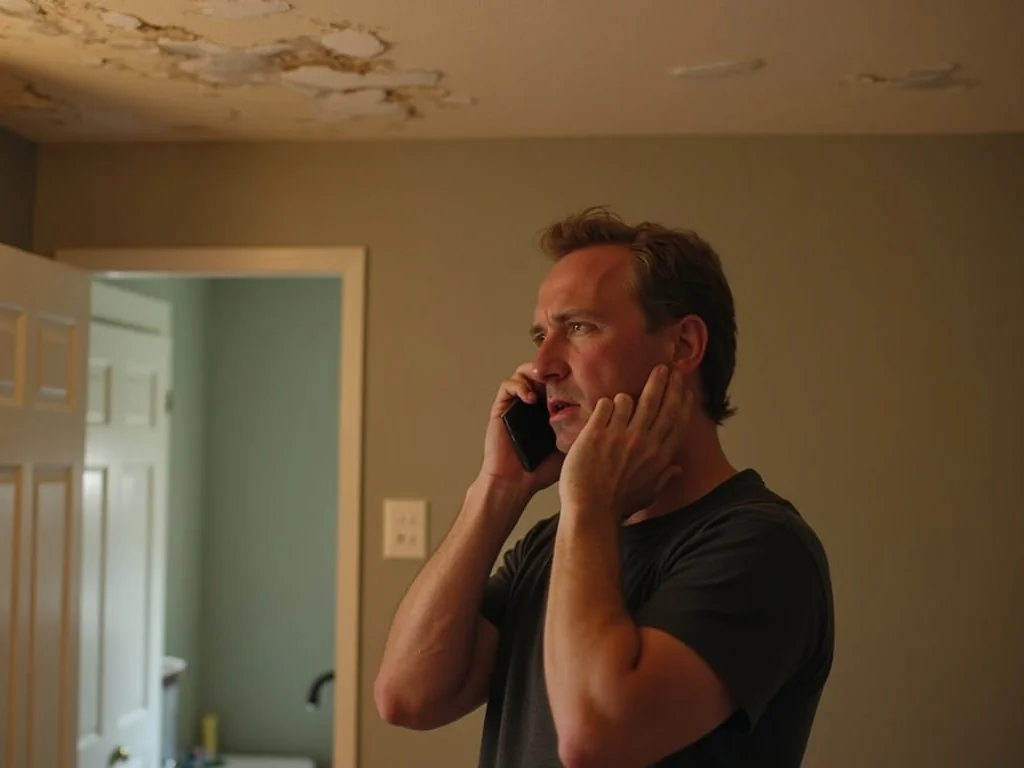
Sewage Backup Cleanup in Las Vegas: Health Risks, Costs, and Professional Response
 July 15, 2026·11 min read·VegasRebuild Editorial
Quick Answer: Sewage backup is classified as Category 3 (black water) contamination containing bacteria, viruses, and parasites that cause serious illness. Do not touch the water or attempt cleanup yourself. Vacate the affected area, turn off HVAC to prevent contamination spread, and call a licensed restoration company immediately. This is not a mop-and-bucket situation.
In all my years working on homes across the Las Vegas Valley, sewage backup is the emergency that homeowners most consistently underestimate. There is a natural human instinct to grab a mop and deal with it yourself, especially in Las Vegas where we are all comfortable handling messy situations in the heat. That instinct will make you sick. Sewage water, classified by the IICRC as Category 3 or black water, contains active bacterial cultures including E. coli and salmonella, hepatitis A virus, norovirus, and intestinal parasites. Skin contact causes infection. Inhalation of aerosolized droplets causes respiratory illness. This is a biohazard event requiring professional personal protective equipment and specialized remediation protocols, not a cleaning project.
Written by David Reyes
Software engineer in Summerlin, Las Vegas. Built VegasRebuild after losing $34,000 to hidden mold.
What Is Category 3 Water and Why It Matters
The restoration industry classifies water damage on a three-tier scale based on contamination level. Category 1 is clean water from a supply line or rain. Category 2, sometimes called gray water, comes from washing machines, dishwashers, or sink drains and contains some contaminants. Category 3, black water, is grossly contaminated and includes sewage, floodwater that has contacted soil, and any water that has been sitting long enough to support microbial growth.
Sewage backup is always Category 3, regardless of whether it looks clean or smells bad. Raw sewage contains the concentrated waste output of your entire household, and that material is loaded with pathogens. The IICRC S500 standard, which governs professional water damage remediation, requires Category 3 events to be handled with full personal protective equipment including N95 or higher respiratory protection, chemical-resistant gloves, eye protection, and often full Tyvek suits.
In Las Vegas, sewage backup events carry an additional complication. Our hard water and aging sewer infrastructure in older neighborhoods like North Las Vegas and parts of Henderson mean that drain lines are subject to calcium and mineral buildup that narrows passages and increases backup frequency. The Las Vegas Valley Water District has documented increased sewer main incidents during monsoon season, when sudden water infiltration overwhelms lines that are already partially blocked.
Understanding the Category 3 classification is important not just for safety but for insurance purposes. Most homeowners insurance policies exclude sewer backup unless you have purchased a specific sewer backup rider. Knowing your classification and having proper documentation from a licensed restoration company is the foundation of any successful claim.
- •Category 1: clean water from supply lines
- •Category 2: gray water from appliances and sinks
- •Category 3: sewage, floodwater, and long-standing contaminated water
- •All sewage backups are Category 3 regardless of appearance
- •Category 3 requires full PPE including respiratory protection
- •Monsoon season increases sewer main incidents in Las Vegas
Health Hazards: What Sewage Water Actually Contains
I want to be specific about the health risks because vague warnings do not motivate people the way specific information does. Raw sewage contains active colonies of organisms that have been specifically selected, over years of human use, to survive in hostile environments. They evolved to pass through stomach acid. They are robust, persistent, and dangerous.
Bacterial pathogens present in sewage include Escherichia coli (E. coli), Salmonella species, Campylobacter jejuni, Shigella, and Leptospira. Leptospirosis is particularly relevant in Las Vegas because our mild winters and large rodent population around the urban fringe mean leptospira bacteria are occasionally present in drain systems that have had rodent intrusion. Infections from these bacteria can cause gastroenteritis, bloody diarrhea, urinary tract infections, and in severe cases, kidney failure.
Viral pathogens include hepatitis A virus, norovirus, rotavirus, and in some cases poliovirus in communities with incomplete vaccination coverage. Hepatitis A contamination from sewage is a genuine risk, and the incubation period of 15 to 50 days means you may not know you were exposed until weeks later.
Parasitic organisms including Cryptosporidium and Giardia are also common in sewage. Both are extremely resistant to standard chlorine disinfection and can cause prolonged gastrointestinal illness.
In addition to direct pathogen contact, sewage events generate aerosols. When sewage water is disturbed by walking, mopping, or wet vacuuming, fine droplets become airborne. Those droplets carry active pathogens and can be inhaled, reaching the respiratory system directly. This is why Category 3 remediation requires respiratory protection and why HVAC systems must be shut down immediately: the air handler will distribute aerosolized contamination throughout the home.
- •Bacterial: E. coli, Salmonella, Shigella, Leptospira
- •Viral: hepatitis A, norovirus, rotavirus
- •Parasitic: Cryptosporidium and Giardia (chlorine-resistant)
- •Disturbance creates airborne aerosols that can be inhaled
- •HVAC systems must be shut off to prevent whole-home contamination
- •Symptoms may appear days to weeks after exposure
Why DIY Sewage Cleanup Is Genuinely Dangerous
Every year, Las Vegas homeowners attempt to clean up sewage backups themselves, and some of them end up in urgent care. I am not saying this to generate fear. I am saying it because it happens and because the outcome is entirely preventable.
The first problem is personal protective equipment. The equipment required for Category 3 remediation is not available at Home Depot. N95 masks filter particulates but are not rated for biological aerosols at the level present in sewage. The Tyvek suits, chemically resistant boot covers, and double-glove protocols that professionals use are specifically designed to create a barrier between the worker and the contaminated environment. Going in with rubber kitchen gloves and a bandana is not protective.
The second problem is that visible cleanup is not the same as remediation. You can mop a floor until it looks clean and still have active bacterial colonies in the grout lines, under the baseboard, in the subfloor, and in the lower six inches of any drywall that contacted the water. Sewage contamination penetrates porous materials and cannot be adequately disinfected without professional-grade antimicrobial agents applied at proper dwell times by trained technicians.
The third problem is cross-contamination. Walking through a contaminated area and then into an unaffected room tracks pathogens on your shoes. Every surface you touch with contaminated gloves or hands becomes a secondary contamination point. Professional remediation involves careful containment setup before any work begins, including physical barriers and negative air pressure machines that prevent contaminated air from moving into clean spaces.
The fourth problem is documentation. If you clean it yourself, you have no documentation of the remediation process, the materials removed, or the final clearance testing. Without that documentation, your insurance claim will be far harder to support, and if you sell the home, you may have disclosure issues.
- •Consumer PPE is not rated for sewage-level biological contamination
- •Visible cleanliness does not mean disinfection is complete
- •Porous materials absorb pathogens that cannot be surface-cleaned
- •Cross-contamination spreads pathogens to unaffected rooms
- •No professional documentation means no insurance claim support
- •Improper cleanup can create long-term indoor air quality problems
The Professional Remediation Process
When a professional restoration company responds to a sewage backup event in Las Vegas, the process follows a structured protocol based on IICRC S500 standards. Understanding what that process involves helps you evaluate any restoration company you hire and ensures you know what to expect.
The first step is assessment and containment. Technicians suit up in full PPE before entering the affected area, assess the extent of contamination, identify all affected materials, and set up physical containment barriers with zipper doors. Negative air pressure machines are deployed to create a contained environment where contaminated air cannot migrate to unaffected spaces.
The second step is extraction and removal. All standing sewage water is extracted using truck-mounted or portable extraction equipment. Any porous materials that contacted Category 3 water, including drywall up to the contamination line plus a safety margin, carpet, carpet pad, insulation, and contaminated wood, are removed, double-bagged in heavy-gauge plastic, and disposed of according to Nevada biohazard disposal regulations.
The third step is antimicrobial treatment. All remaining surfaces are treated with EPA-registered broad-spectrum disinfectants at proper concentrations and dwell times. This is not a bleach-and-water wipe-down. Commercial antimicrobial agents are applied to achieve logarithmic reduction in pathogen counts across all surface types.
The fourth step is structural drying. Once the contaminated materials are removed and surfaces are treated, drying equipment is deployed to bring structural moisture levels back to normal. In Las Vegas, our dry ambient air actually helps this process, and drying times are often shorter than in humid climates.
The fifth step is clearance testing. A third-party hygienist or the restoration company's own testing protocol verifies that contamination levels have been reduced to safe levels before reconstruction begins. This documentation is critical for insurance claims and for your own peace of mind.
- •Assessment and containment with negative air pressure setup
- •Full extraction of standing contaminated water
- •Removal of all porous materials that contacted sewage
- •EPA-registered antimicrobial treatment at proper dwell times
- •Structural drying with commercial dehumidifiers and air movers
- •Clearance testing before reconstruction authorization
Costs of Sewage Backup Cleanup in Las Vegas
Las Vegas homeowners should have realistic cost expectations for sewage backup remediation. The range is wide because the scope of damage varies enormously based on how much backed up, how long it sat, and what materials were affected.
For a minor backup confined to a single bathroom floor drain, where the event was caught within an hour and no wall contamination occurred, costs typically run $800 to $2,500. This covers extraction, antimicrobial treatment, and drying.
For a moderate event affecting a bathroom floor, partial walls, and adjacent hallway, expect $2,500 to $6,000. This range typically involves drywall removal, subfloor assessment, and longer drying cycles.
For a major event, such as a main line backup that affected a basement level (rare in Las Vegas but not unheard of in some Enterprise and Henderson homes with lower-grade finished rooms), or an event that sat for more than 12 hours before discovery, costs can reach $8,000 to $20,000. These events often require complete room gut-outs, subfloor replacement, and extended drying periods.
Reconstruction costs after remediation are separate. Replacing drywall, flooring, trim, and fixtures in an affected bathroom adds another $3,000 to $10,000 depending on the scope and material choices.
Nevada law requires licensed contractors for reconstruction work above certain dollar thresholds. Make sure any company you hire for the rebuild phase is licensed with the Nevada State Contractors Board.
Sewer backup insurance riders typically cost $50 to $150 per year added to your homeowners policy. If you do not have this coverage, add it immediately. A single event costs more than a lifetime of rider premiums.
- •Minor confined event: $800-$2,500
- •Moderate event with wall contamination: $2,500-$6,000
- •Major or delayed-discovery event: $8,000-$20,000
- •Reconstruction after remediation: $3,000-$10,000 additional
- •Sewer backup rider costs $50-$150 per year and is worth every dollar
- •Verify Nevada contractor license before authorizing reconstruction
Prevention: Reducing Sewer Backup Risk in Las Vegas Homes
Las Vegas has specific sewer backup risk factors that homeowners should address proactively. Hard water contributes to calcium and soap scum buildup inside drain lines. Tree root intrusion, while less common than in wetter climates, still occurs particularly in Summerlin and Henderson where landscaping is denser. Monsoon season creates sudden volume increases in the municipal sewer system that can cause manholes to back up into private lines.
The most effective prevention tool is a backwater valve, also called a check valve or backflow preventer, installed on your main drain line. This device allows waste to flow out but automatically closes if flow reverses. Installation typically costs $400 to $900 in Las Vegas and is something any licensed plumber can handle. Some Nevada homeowners insurance policies offer premium discounts for verified backwater valve installation.
Camera inspection of your drain lines every three to five years is also valuable, particularly in homes built before 1990 when older pipe materials like Orangeburg or early ABS plastic were used. A camera inspection costs $150 to $350 and reveals root intrusion, scale buildup, and pipe offsets before they become backup events.
Avoid flushing anything other than toilet paper. The Las Vegas Valley Water District reports significant increases in so-called flushable wipes in the sewer system, and these materials do not break down the way they claim to. They accumulate at pipe bends and create blockages that eventually back up into homes.
During monsoon season in July and August, watch for city-issued advisories about sewer system stress. Reduce household water use during heavy rain events when the municipal system is already handling above-normal volumes.
- •Install a backwater valve on the main drain line ($400-$900)
- •Camera inspect drain lines every 3-5 years, especially in pre-1990 homes
- •Never flush wipes, paper towels, or hygiene products
- •Reduce household water use during monsoon storm events
- •Have main drain line professionally cleared if drains slow simultaneously
- •Check if your insurance policy discounts for backwater valve installation
Frequently Asked Questions
Bleach is a disinfectant, not a comprehensive remediation solution. It kills surface organisms on non-porous surfaces but does not penetrate grout, wood, drywall, or other porous materials where sewage contamination has been absorbed. It also does not address the structural moisture that remains after a sewage event, which will lead to mold growth. For any sewage backup beyond a single toilet overflow on a non-porous surface, professional remediation with proper PPE and commercial antimicrobial agents is necessary.